Let the sunlight in - block 99% of the damage.

Preserves visible light while filtering 99% of UVA using advanced nano-ceramic engineering
Protects skin, eyes, and interior materials with a single, premium film
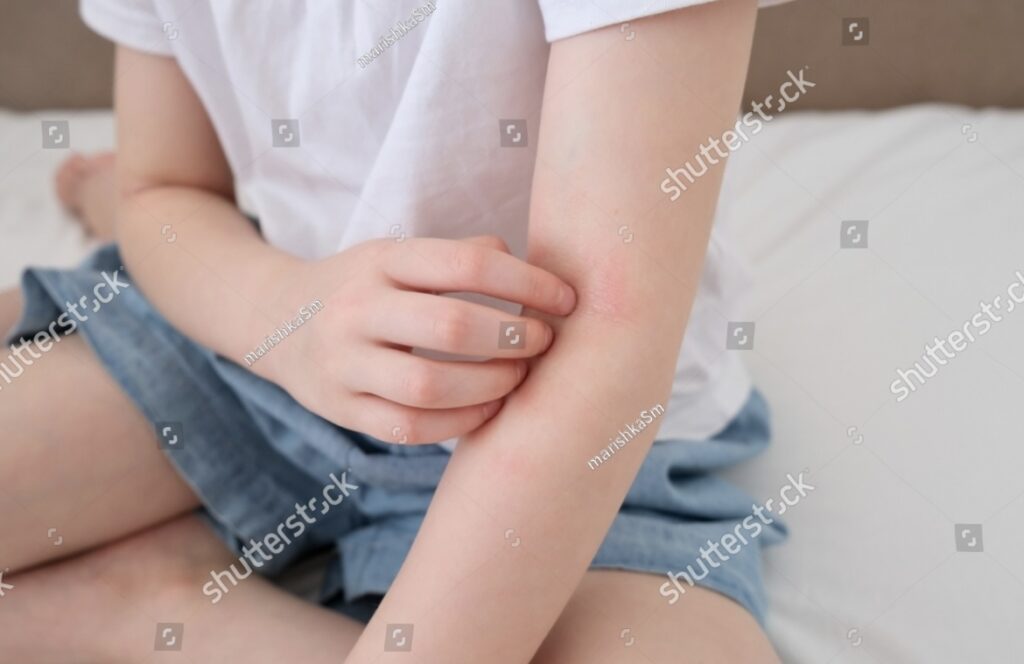
Especially beneficial for infants, children, and pets sensitive to UV
Ideal for homes, offices, commercial spaces, and vehicles.

Items to Prepare Before Installation

The Film Itself

Cutting the Film

Film Application

How to Apply the Film

  • Clean the Glass Surface

    Wipe the glass with alcohol or a similar cleaner to remove dust and any other debris.

  • Cut the Film

    Cut the film slightly larger than the window—about 2 cm extra on the top, bottom, left, and right.
    (Do not remove the backing liner at this stage.)

  • Remove the backing liner and spray the glass and the film thoroughly with the soap solution

    • Use a neutral detergent such as dish soap.
    • Mix ratio: 1–2 drops of detergent per 1 liter of water.
    • Remove the backing liner, then spray the soap solution onto both the adhesive side of the film and the surface of the glass.
    (This is the step where you peel off the backing liner.)

  • Apply the film and remove bubbles and water using a squeegee

    Starting from the center, push out the bubbles and water toward the edges in all directions.

  • Trim the excess film around the edges

    • Leave about 2–3 mm of film extending beyond the edge of the glass to reduce the likelihood of peeling.
    • For the first 24–48 hours after installation, avoid touching the film or frequently opening/closing the window to prevent lifting.
    • Finally, wipe away any remaining water.

Glass Surfaces Suitable for Film Application

IMG_2727

Glass Surfaces on Which the Film Can Be Applied

The film can be applied to almost any glass surface that has a smooth, flat surface.
IMG_2726

Glass Surfaces on Which the Film Cannot Be Applied

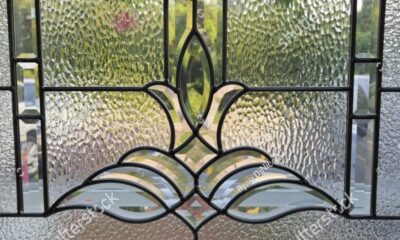
・Glass with an uneven or textured surface
・Glass with special surface treatments or coatings

About Babies

To help babies and children – who are expected to live well into the 22nd century – maintain lifelong health.

Reasons for Vulnerability

IMG_2979

Children’s Bodies

Children have a weaker ability than adults to repair DNA damaged by ultraviolet radiation.
IMG_2980

Skin

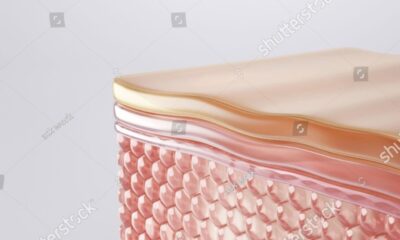
Children’s melanin production is still underdeveloped, and their skin’s protective lipid barrier is thinner.
As a result, UVA penetrates into the dermis and causes several times more damage than in adults.

IMG_2981

Eyes

Children’s crystalline lenses are thinner and far more transparent, giving them approximately double the corneal transmission rate of adults, which makes the retina more susceptible to UV damage.
Because their eyeballs are still developing, UV-induced damage is more easily accumulated.

IMG_2982

Immune System

Children’s immune systems are still immature, making them more prone to immune suppression when exposed to UVA without realizing it.
Even 5–15 minutes of midday UVA exposure can significantly suppress immune function, increasing susceptibility to colds and other infections.
Long-Term Effects

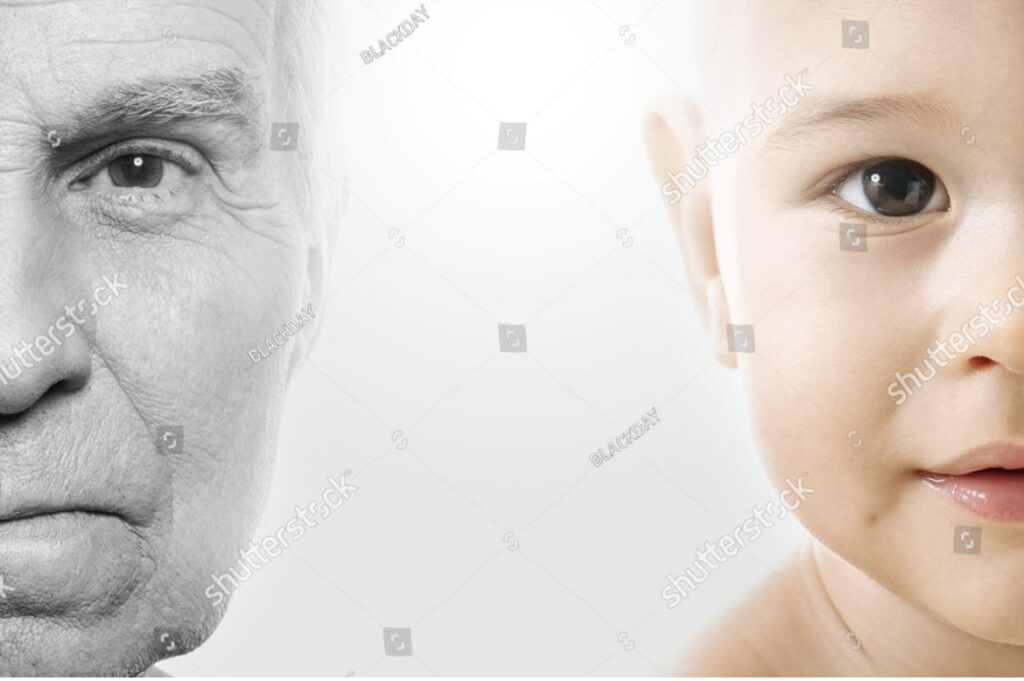
UV exposure during childhood and adolescence does not show its impact immediately; instead, it significantly increases the risk of developing eye and skin diseases later in life.

The WHO warns that higher UV exposure in early childhood increases the future risk of cataracts, macular degeneration, and pterygium, and notes that 25–50% of the total UV a person receives in a lifetime is accumulated before the age of 18.

Similar to the Late-Onset Effects of Radiation Exposure

The effects of ultraviolet radiation (UVA/UVB) resemble those of ionizing radiation in that damage often manifests years or even decades later.
UV damage accumulated in childhood plays a major role in diseases that appear in adulthood.
UV exposure during infancy and adolescence causes far greater biological damage and substantially increases the likelihood of future disease.

Accumulation of DNA Damage

When UV-induced DNA damage accumulates as “records” in the cells, errors in DNA repair also accumulate over time, which can later contribute to the development of skin cancer, cataracts, and glaucoma in adulthood.

Invisible Childhood Damage Appearing in Adulthood

For example, UVA can

damage the crystalline lenses of babies and children

destroy collagen and elastin in the dermis

These changes are not visible during childhood, but later manifest as:

Cataracts

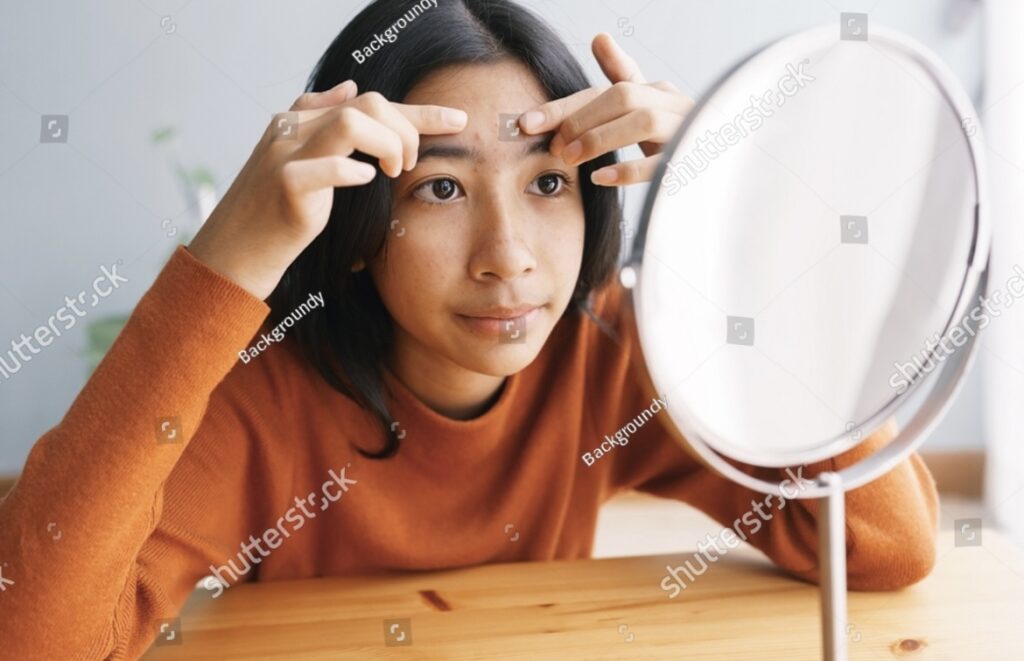
Wrinkles and sagging

Skin cancers

Links to Atopy and Sensitive Skin

Recent research suggests a connection between UV exposure and inflammatory skin conditions.

UV radiation may induce inflammatory cytokines, potentially worsening atopic dermatitis and increasing skin sensitivity.

But Light Itself Is Essential for Babies

Even indoors, healthy light exposure is crucial for infants and young children.

IMG_2986

Supports a healthy circadian rhythm

Helps stabilize sleep patterns

IMG_2987

Contributes to emotional stability

Beneficial for mental and emotional development Bright light increases serotonin, which promotes calmness and positive mood.

IMG_2988

Essential for visual–cognitive development

Especially between ages 0–3, when visual development is most rapid
Adequate light helps develop:
 ・visual acuity
 ・depth perception
 ・color recognition
 These functions form the foundation for later learning and concentration.
A Balanced Approach Is Needed

Because of this, the optimal solution is to block only harmful UV radiation while still allowing healthy sunlight to enter rooms and vehicles.

A high-quality UV-cut window film provides exactly this balance— protecting babies from UV damage while ensuring they still receive the natural light essential for healthy growth.

Common Conditions Related to UV Exposure

IMG_2989

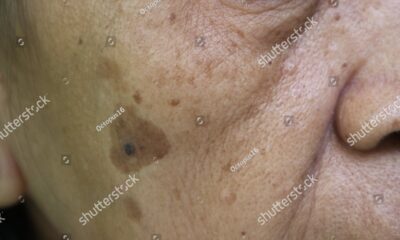
Actinic keratosis

precancerous skin lesions
IMG_2990

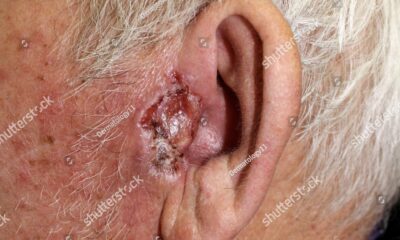
Skin cancers

including basal cell carcinoma, squamous cell carcinoma, and melanoma
IMG_2991

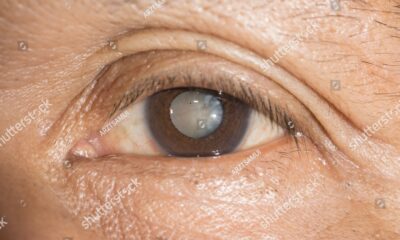
Cataracts

placeholder

Enlarged pores, acne worsening, and exacerbation of atopic dermatitis (eczema)

Diseases and Conditions Caused by UV Exposure

Recognition and Initiatives in Different Countries

Canada 🇨🇦

In Canada, skin cancer is the most common type of cancer, accounting for about one-third of all cancer cases, and its incidence continues to rise.
For this reason, Health Canada and the Ministry of the Environment state that “UV radiation damages the DNA of skin cells and causes skin cancer,” and they advise the public to take special care in protecting infants and children, whose skin is particularly sensitive to ultraviolet radiation.

United States 🇺🇸

In the United States, skin cancer is the most common cancer, and organizations such as the Centers for Disease Control and Prevention (CDC) and U.S. public health authorities officially warn that sun exposure is the primary cause.
Guidelines from the American Cancer Society (ACS) note that UVA passes through glass to a significant extent and caution that it can damage the skin.
In 2014, the U.S. Surgeon General issued an official Call to Action for skin cancer prevention, urging schools, industries, and communities to strengthen UV protection measures. In addition, more than 33 states now impose some form of restriction on the use of tanning facilities by individuals under 18, who are particularly vulnerable to UV damage.

Since the beginning of the 21st century, governments, local authorities, and NGOs have begun warning about the dangers of UV radiation, and efforts to address UV exposure have advanced rapidly.Around the 1980s, although the use of sunscreen began to gain awareness in some countries, tanning was still widely believed to be beneficial to health, and policy-level measures were not common.
In recent years, it has become clear that indoor UVA exposure contributes to diseases such as eye and skin cancers, and measures to reduce UVA exposure indoors and inside vehicles have begun to be implemented.

About Pets

To help pets who live for 10 or 20 years enjoy a healthy, active life well into their senior years.

Reasons Pets Are More Vulnerable to UV Damage Dogs

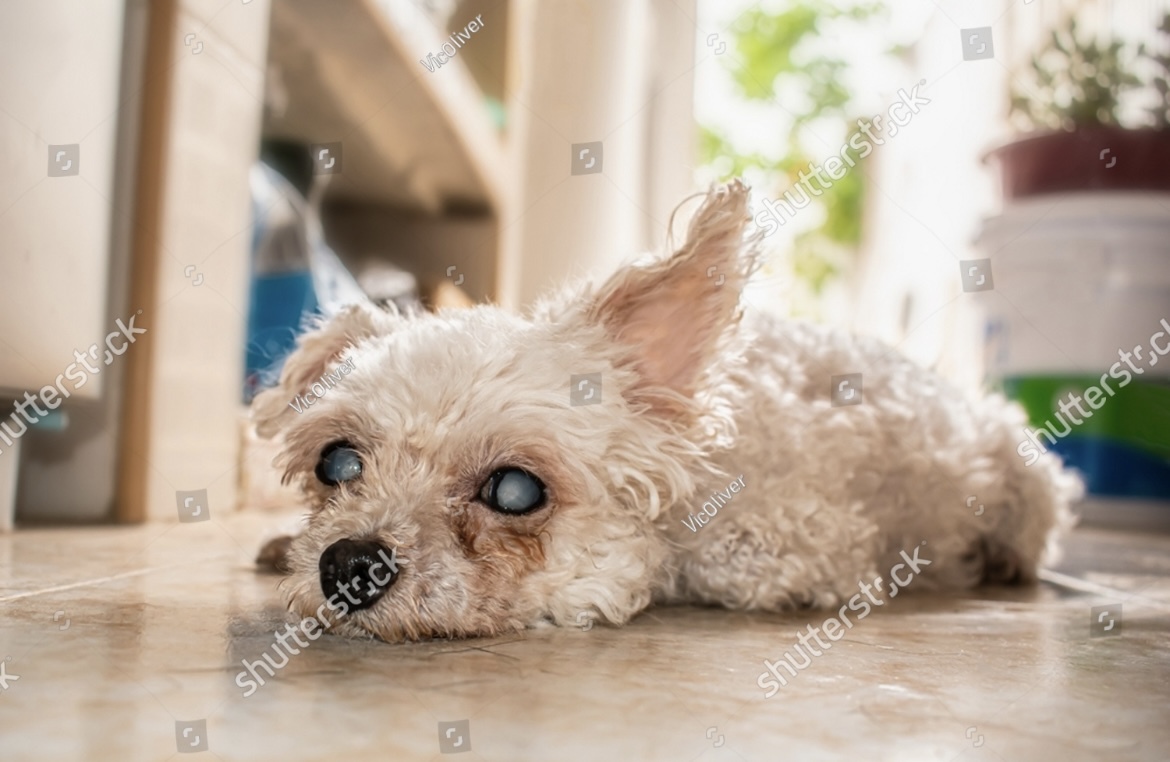
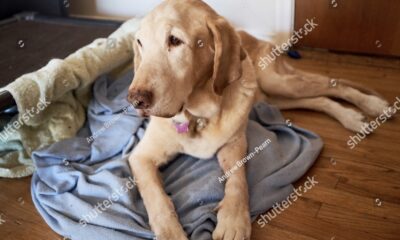
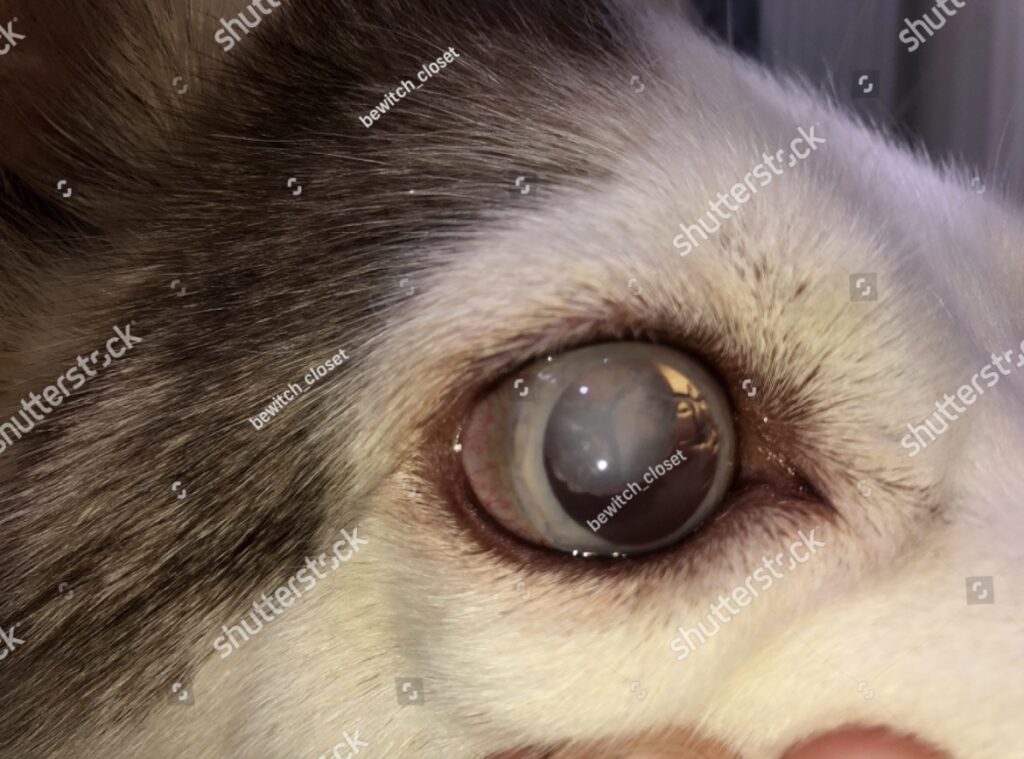
Dogs, like humans, have vulnerable crystalline lenses, and more than half develop progressive cataracts after the age of 10.
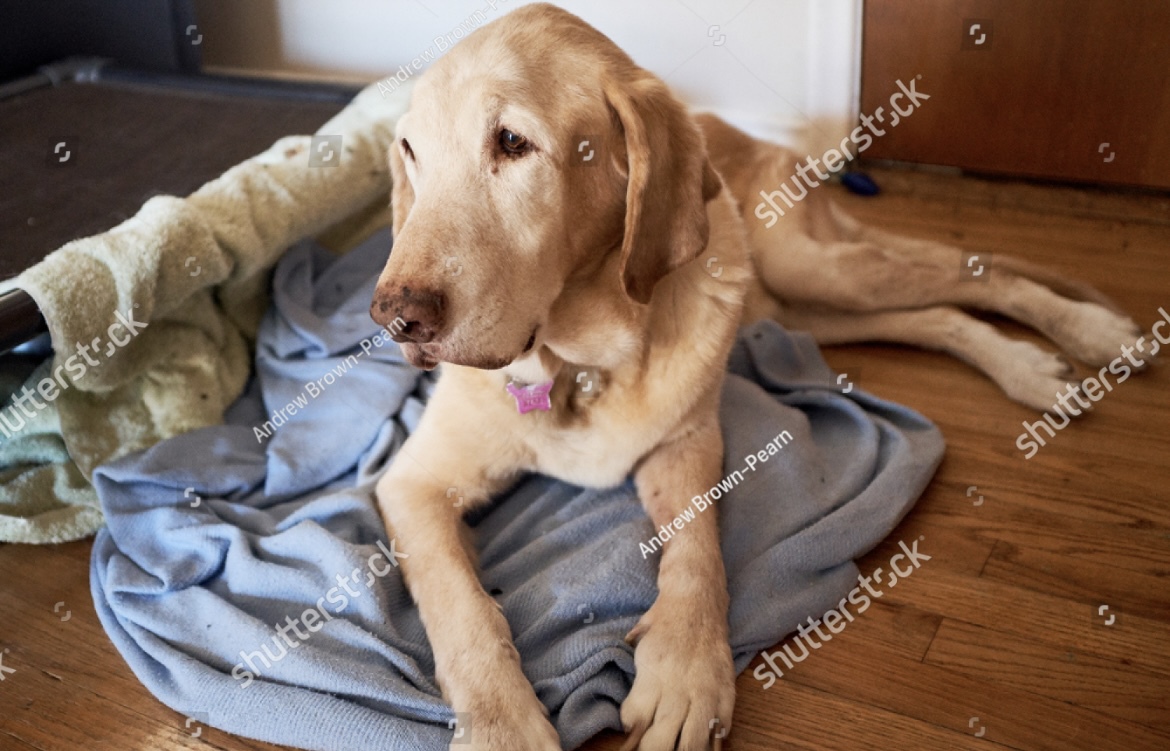
As with humans, when a dog’s sensory perception—especially vision—declines due to cataracts or other eye conditions, the reduction in external stimulation can sharply increase the risk of cognitive decline and dementia-like symptoms.
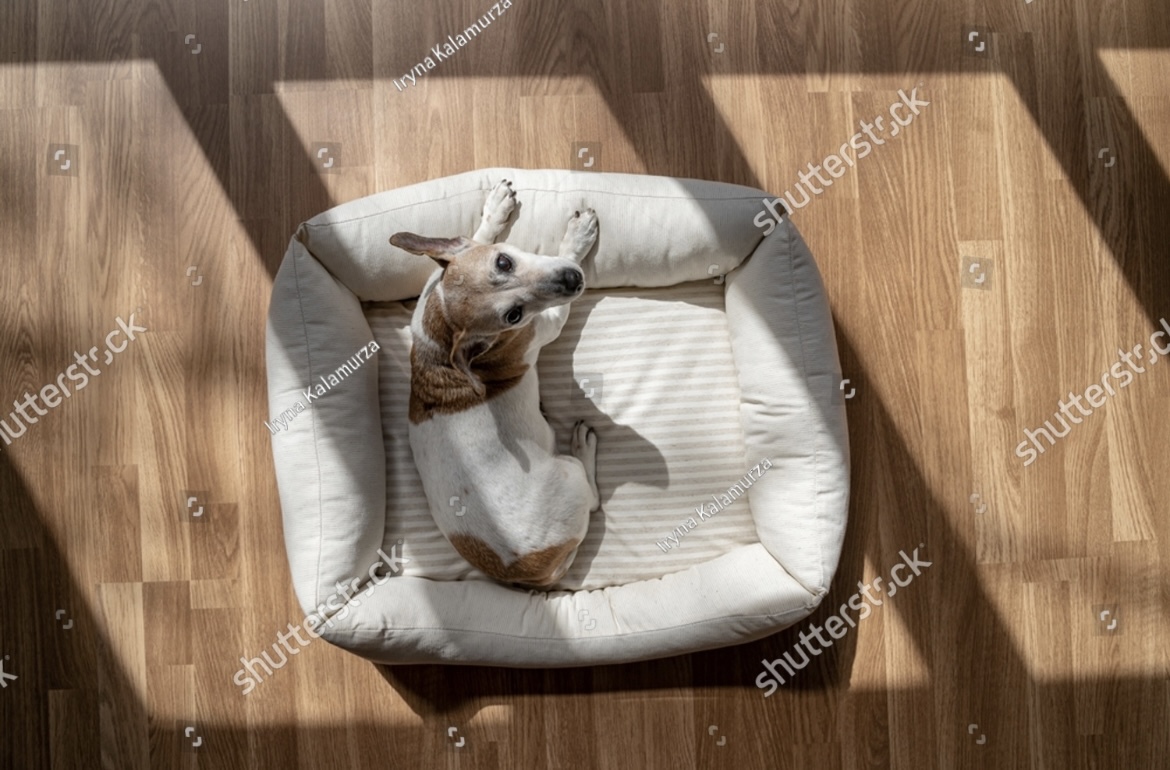
Dogs spend much of their time close to the ground, which makes them more likely to receive direct sunlight and strong reflections from the floor into their eyes.

The following breeds are particularly prone to UV-related eye and skin conditions:

IMG_3247

French Bulldog

IMG_3245

Labrador Retriever

IMG_3251

Dachshund

IMG_3248

Golden Retriever

IMG_3244

Poodle

IMG_3249

Border Collie

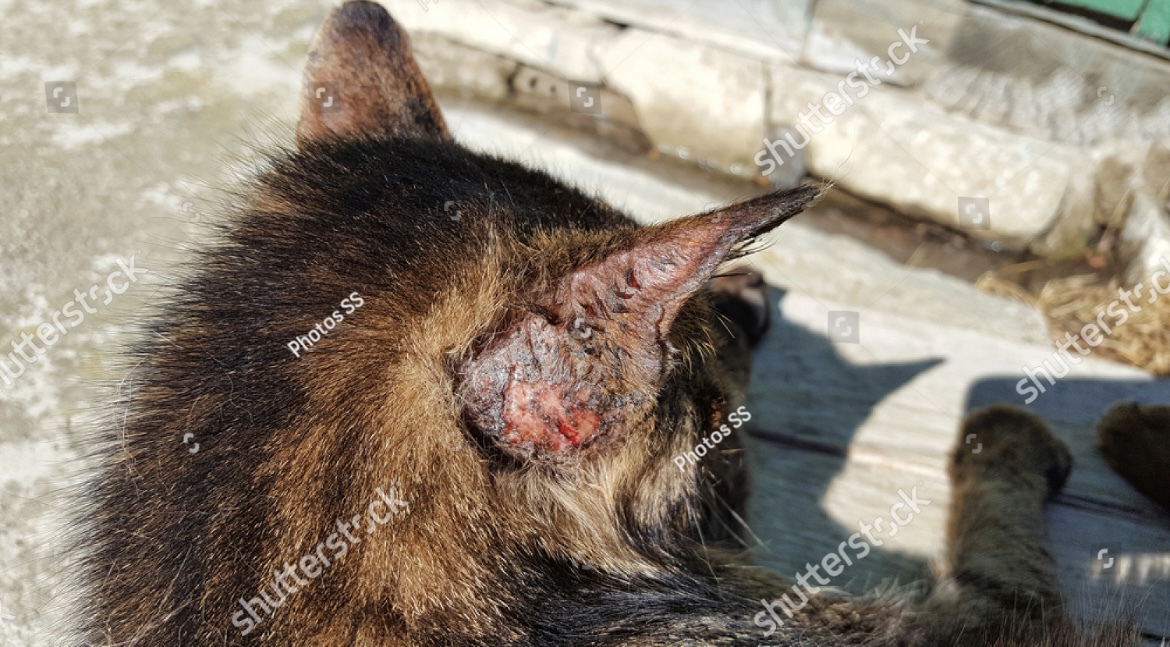
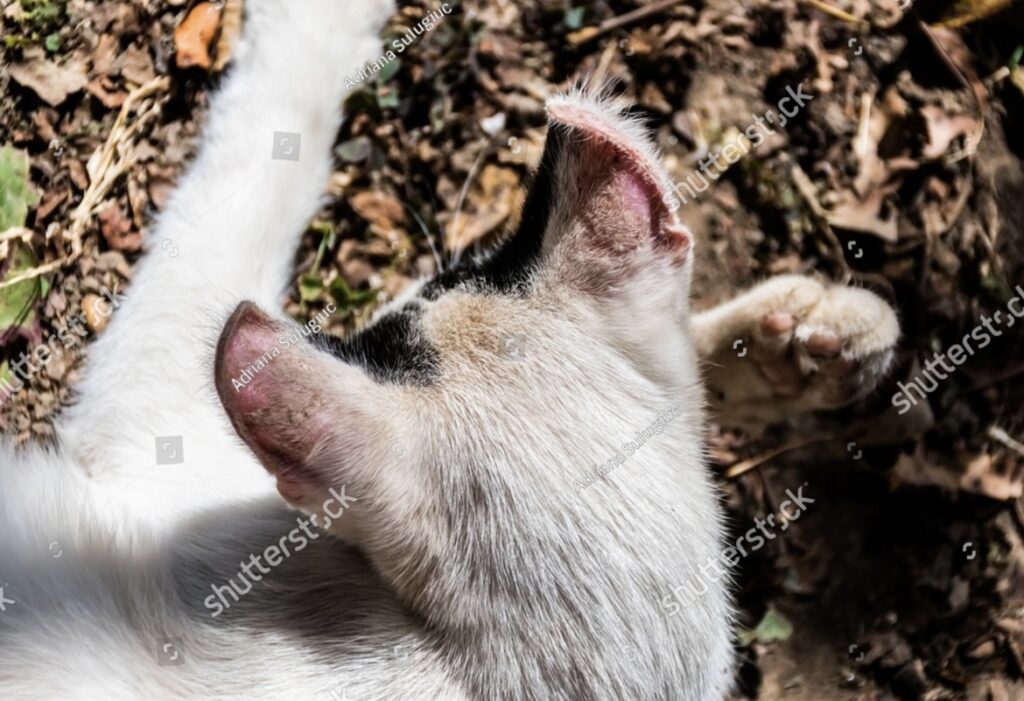
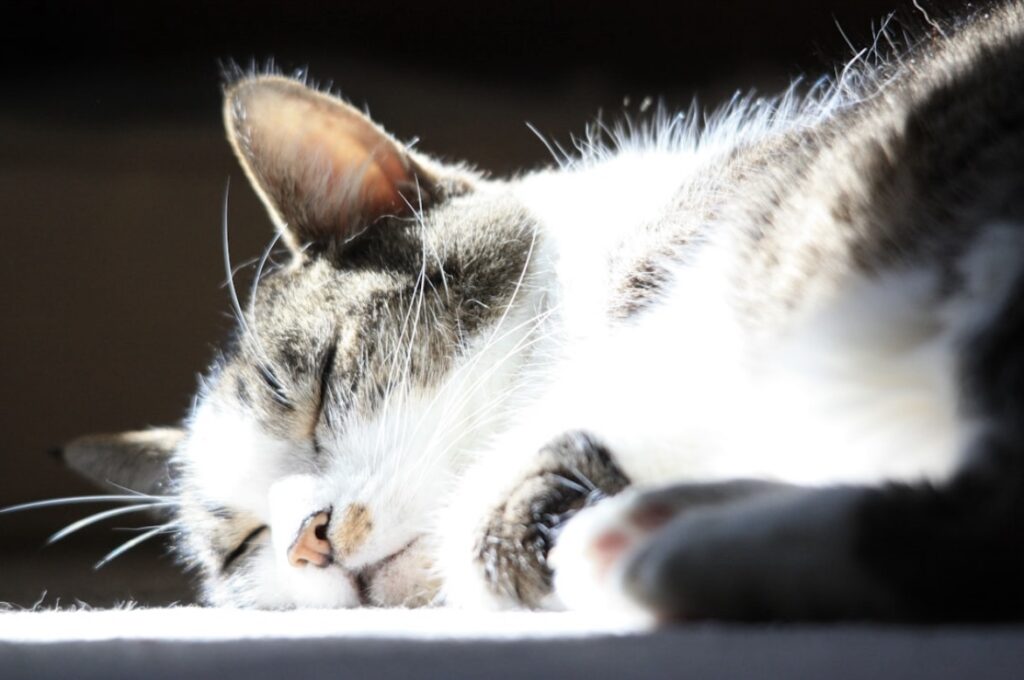
Cats are more resistant to cataracts than humans and dogs, but cats with short or lightly colored fur have a much higher risk of developing skin cancer.
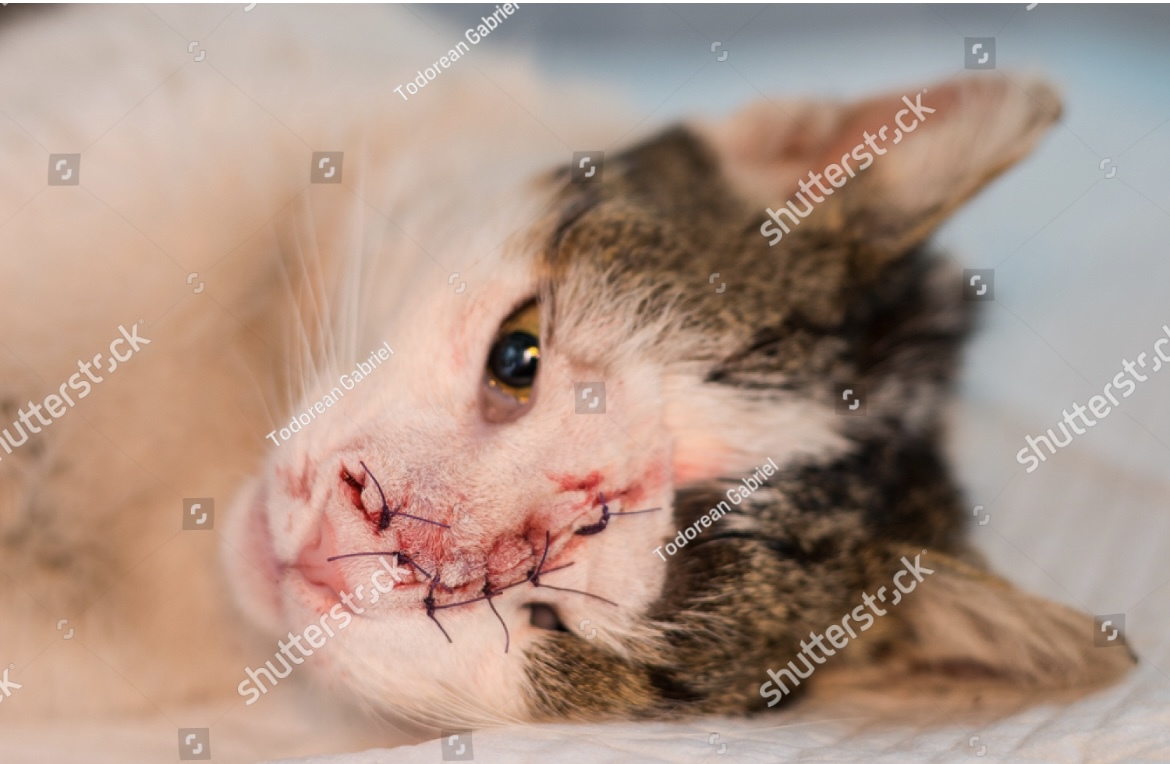
Cats frequently develop squamous cell carcinoma (SCC) on the ears or nose, often requiring surgical removal. Because these areas are highly sensory organs, cancer in these regions significantly affects daily life, more so than in humans.

Long-Term Effects

Just like in humans, UV exposure during a pet’s infancy or youth does not show its impact immediately, but it greatly increases the risk of eye and skin diseases later in life.

Similar to the late-onset effects of radiation exposure The effects of ultraviolet radiation (UVA/UVB) resemble those of ionizing radiation: the damage often appears only after many years, and the accumulation of exposure during early life plays a major role. Pets, like children, are more vulnerable to UV in infancy and adolescence, and early-life damage significantly raises the likelihood of future disease.

When UV-induced DNA damage remains stored as a “record,” errors in DNA repair accumulate over time, and these accumulated errors can lead to skin cancer, cataracts, and glaucoma later in adulthood.

For example,

when UVA damages the DNA of the crystalline lens in young animals, or destroys collagen and elastin in the dermis, these injuries are not visible during youth, but later appear as:

eye diseases

skin diseases including cataracts, tumors, and various forms of photoaging.

But Light Is Still Important for Pets

Studies have shown that dogs and cats exhibit better cognitive function and higher activity levels in brighter environments, which contributes positively to their overall health.

Therefore, a UV-cut film that blocks harmful UV radiation while still allowing natural sunlight to enter the room is one of the most effective solutions for maintaining a healthy indoor environment for pets.

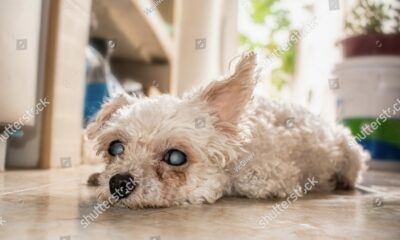
Common Conditions

Dogs and cats have difficulty expressing discomfort on their own, so illnesses may often progress without their owners realizing it.

Many of these conditions can be successfully treated if detected early.  Therefore, if you notice any of the symptoms listed below, it is recommended that you take your pet to a veterinarian immediately.

Common Diseases

Dogs

Cats

Recognition and Initiatives in Different Countries

United Kingdom 🇬🇧

Because the UK has many cloudy or rainy days, many people are not aware that UVA reaches the ground — and even indoors — regardless of weather conditions.
As a result, it is common for cat owners to say things like, “I never imagined that a cat could get sunburned.”
To address this, awareness campaigns continue across the country.

The RSPCA warns that failing to protect pets from UV radiation can turn summer into a season of “pain and suffering.”
RSPCA Chief Vet Dr. Rebecca Ashman explains: “Cats can get sunburn just like humans, and they face the same health risks.They might resist at first, but get them used to it gradually, and gently apply pet-safe sunscreen — even if only during the summer months.”

The campaign also introduced real cases of cats who developed UV-related skin cancer.
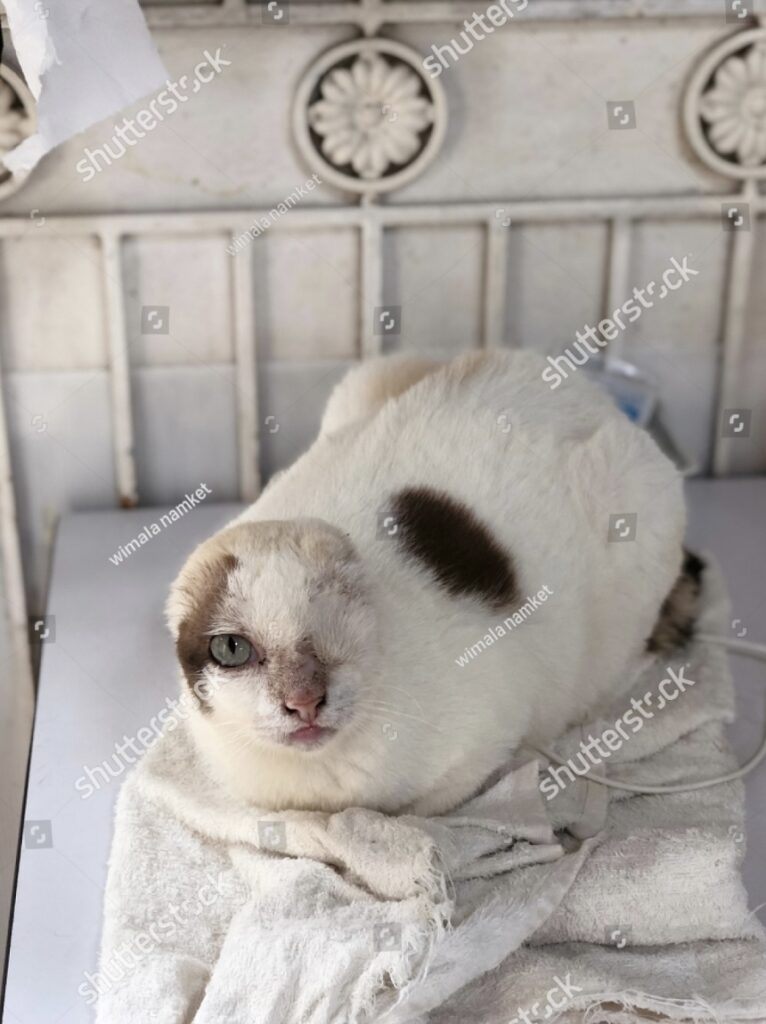
One such example is Minnie, a white cat rescued at an RSPCA centre in Wales. Veterinarians discovered precancerous lesions on the tips of her ears, which required surgical removal.
Photos of Minnie after surgery were also featured in news reports as part of the public advisory message: “If you notice redness, sores, or scabs on your cat’s ears or nose, seek veterinary attention immediately.”

In recent years, UV protection for pets has been increasingly emphasized in much the same way as UV protection for humans.
Governments, state and local authorities, veterinary associations, and various non-profit and non-governmental organizations have been actively implementing measures to prevent UV-related harm in animals.

Donation

We donate several tens of percent of our profit to organizations dedicated to supporting the eye and skin health of pets, as part of our CSR efforts to promote well-being beyond our business activities.

More than 80% of visible aging is caused
by UV exposure.

※Compared with other products of the same quality (nano-ceramic technology / 99% UV protection / over 12 years of durability), this film is offered at 30%–55% off.

¥3,600/㎡

※ Compared with other products of the same quality (nano-ceramic technology / 99% UV protection / over 12 years of durability), this film is offered at 30%–55% off.

¥3,600/㎡

Comparison Between Standard Window Films and Our Premium Nano-Ceramic Films

Conventional UV-Blocking Films / Curtains
NC90 Premium / NC70 Premium
UVA Blocking
Most products fail to block 99% of UVA.
Tested to block 99% of UVA reliably.
Material
Most use dyed films.
Some use “nano-ceramic” films, but they are usually low-grade.
Uses premium nano-ceramic materials, not low-grade formulations.
Durability
Performance drops quickly.
Typical durability: a few months to 2–3 years.
Performance remains stable.
Durability: 12+ years.
Structure
Single-layer or basic multi-layer structure.
Five-layer construction; exceptionally high durability and stability.
Price
Low performance → low cost.
Under USD 25.99 (≈ JPY 3,900)
Industry-lowest price for this level of quality
Compared to WF Premium (same-grade: nano-ceramic / 99% UVA / 12+ years): 30%–55% lower cost

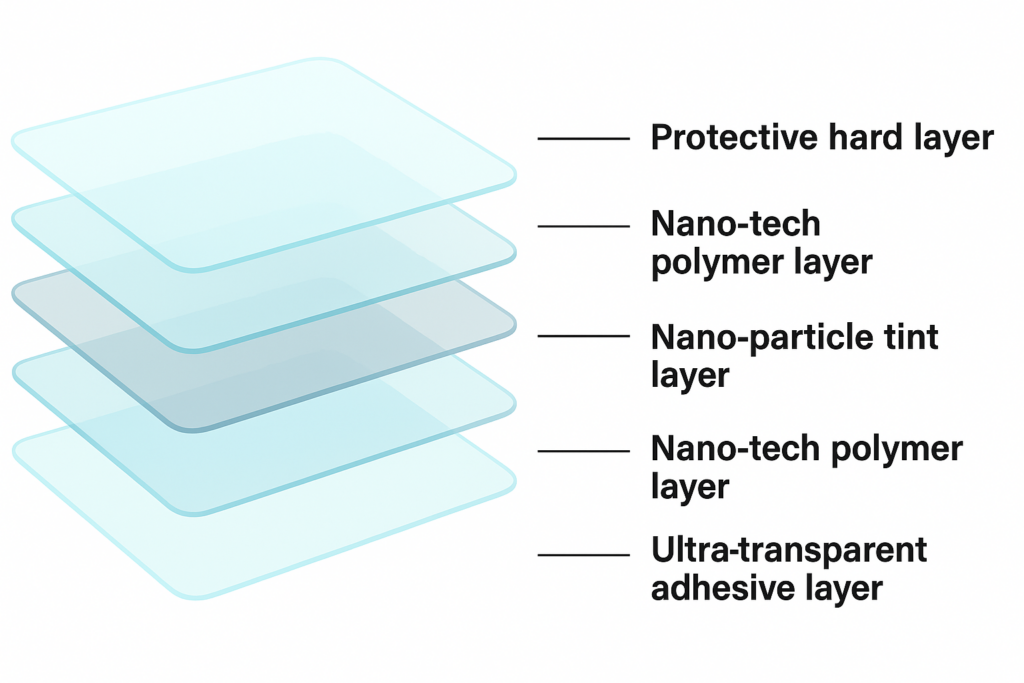
1. Protective Hard Layer

Protects the surface from scratches and keeps the film exceptionally clear for many years.

2. Nano-Tech Polymer Layer

Prevents warping, degradation, and yellowing of the film.

3. Nano-Particle Tint Layer

The core UV-blocking layer.
High-quality nano-ceramic particles block 99% of UVA while keeping indoor brightness almost unchanged.

4. Nano-Tech Polymer Layer

Provides further enhancement of heat resistance and structural stability, helping maintain optical performance over the long term.

5. Ultra-Transparent Adhesive Layer

Adheres seamlessly to glass, preventing bubbles and cloudiness while preserving clear visibility.

Reasons for Our Low Pricing

We are able to offer our high-quality film at one of the lowest price ranges in the industry for the following reasons.

Our top-grade UVA-cut film is provided at an affordable price without compromising quality.

IMG_2829

Mass Production
Costs are reduced by limiting the lineup to two types (NC90 Premium / NC70 Premium).
Further cost savings are achieved by offering only three standardized lengths (1m × 1m, 1m × 2m, 1m × 3m).

IMG_2830

Direct Shipment From Factory
By shipping directly from the factory, we eliminate various costs associated with retail distribution — including labor, multiple stages of transportation, intermediary fees, utilities, and rental expenses.

IMG_2831

Profit Margin Minimization
Because our mission is to deliver better health to as many people as possible, we intentionally keep our profit margin very small, maintaining only the minimum level necessary for sustainable operations.

IMG_2832

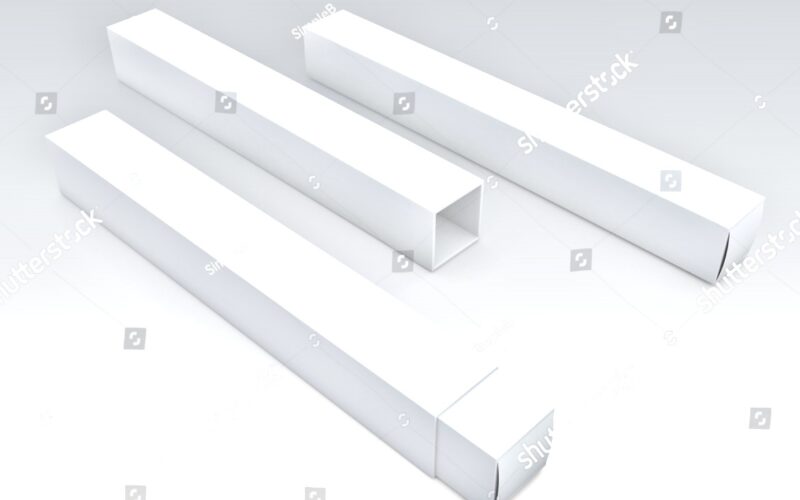
Simple Packaging Design
By using plain, unbranded white packaging, we minimize printing costs and reduce expenses for boxes and tubes to the bare minimum.

IMG_2829

Efficient Inventory and Order Management
We manufacture, cut, pack, and ship each product after receiving an order, minimizing the risk of excess inventory.
This approach also keeps storage costs, packing expenses, and other related fees to an absolute minimum.

Additional Benefits

Heat Reduction

Infrared light is also reduced — by 50% with NC90 and 99% with NC70.
This helps keep both indoor rooms and car interiors from becoming excessively hot, making them significantly more comfortable.

Protection

・The film makes the glass more resistant to breaking during events such as hurricanes, break-ins, or accidents.
・Even if the glass does break, it helps prevent shards from scattering, improving overall safety.

Clarity of View

The film reduces glare and reflections, allowing you to enjoy a clearer and more beautiful view.

Easy to Use

No professional installation required.
Easy to apply and remove, even for DIY users.

Energy Saving

Infrared light is also reduced — by 50% with NC90 and 99% with NC70.
In summer, this improves air-conditioning efficiency, reduces the amount of time the AC needs to run, saves on electricity costs, and helps lower CO₂ emissions.

Privacy

With NC70 Premium, you can see outside during the daytime, while it becomes difficult for people outside to see in.
This allows you to maintain brightness without closing the curtains, while still protecting your privacy — and blocking 99% of UV at the same time.

Pets & Plants

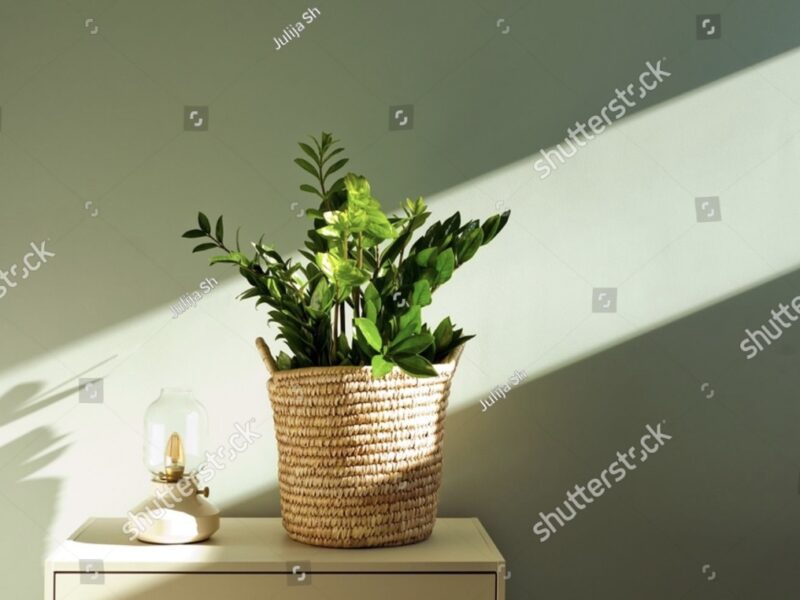
In addition to protecting pets as mentioned earlier, the film also helps prevent leaf burn and other sun-related damage in houseplants.
*Plants can still perform photosynthesis, as visible light continues to pass through the film.

Driving Safety

Helps prevent glare and reflections inside the car, supporting safer driving.
Reduces glare from oncoming headlights and other reflected light at night, helping prevent eye strain.
*Regulations regarding the required Visible Light Transmission (VLT) for car windows vary by region according to local traffic laws and ordinances. Please make sure to check the laws in your area before installation.
Environmentally Friendly

The film is made from recyclable materials, making it an eco-friendly choice.

JapanHealth

Japan Health is a company that develops products and services centered around health, while integrating business operations and CSR into a unified system that delivers direct health value to society.
By allocating tens of percent of its profits to CSR activities, the company has created a structure in which every business interaction, purchase, and use by its users directly and immediately contributes to someone’s health.

© 2026 Japan Health. All rights reserved.