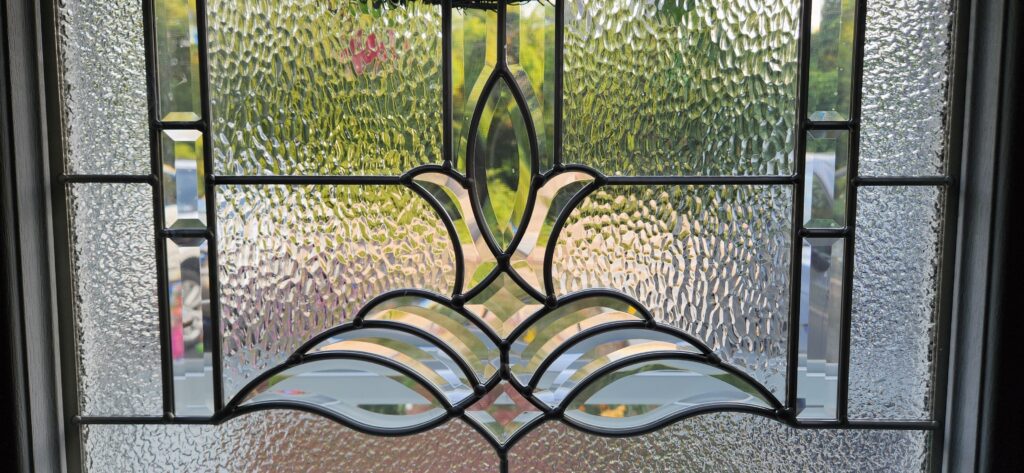
Premium-grade nano-ceramic technology for your space.

Let the sunlight in - block 99% of the damage.

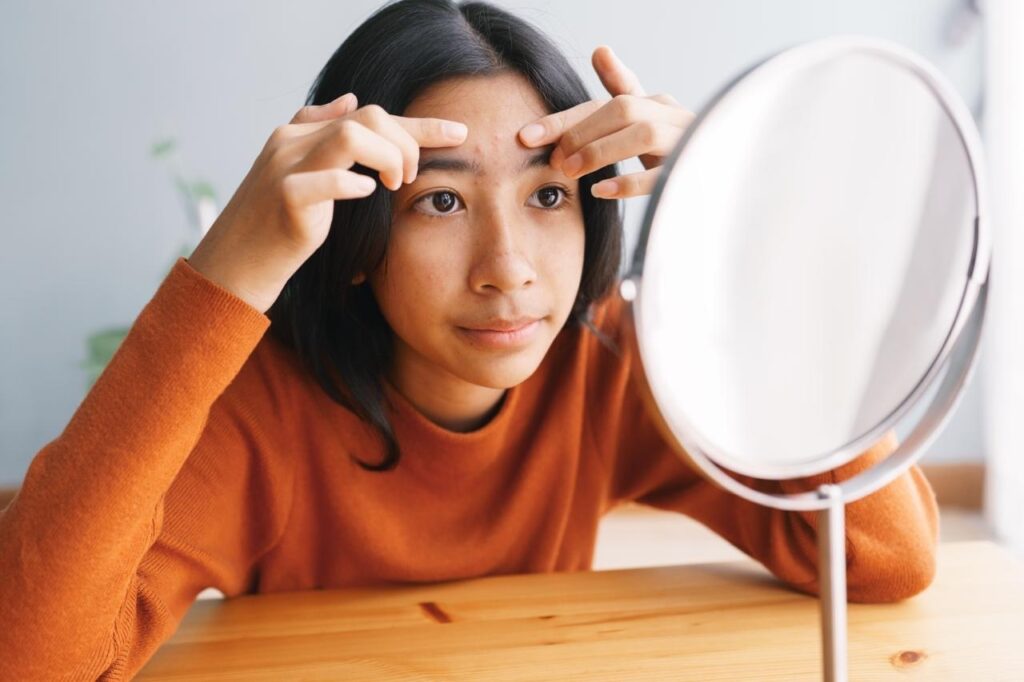
Protects skin, eyes, and interior materials
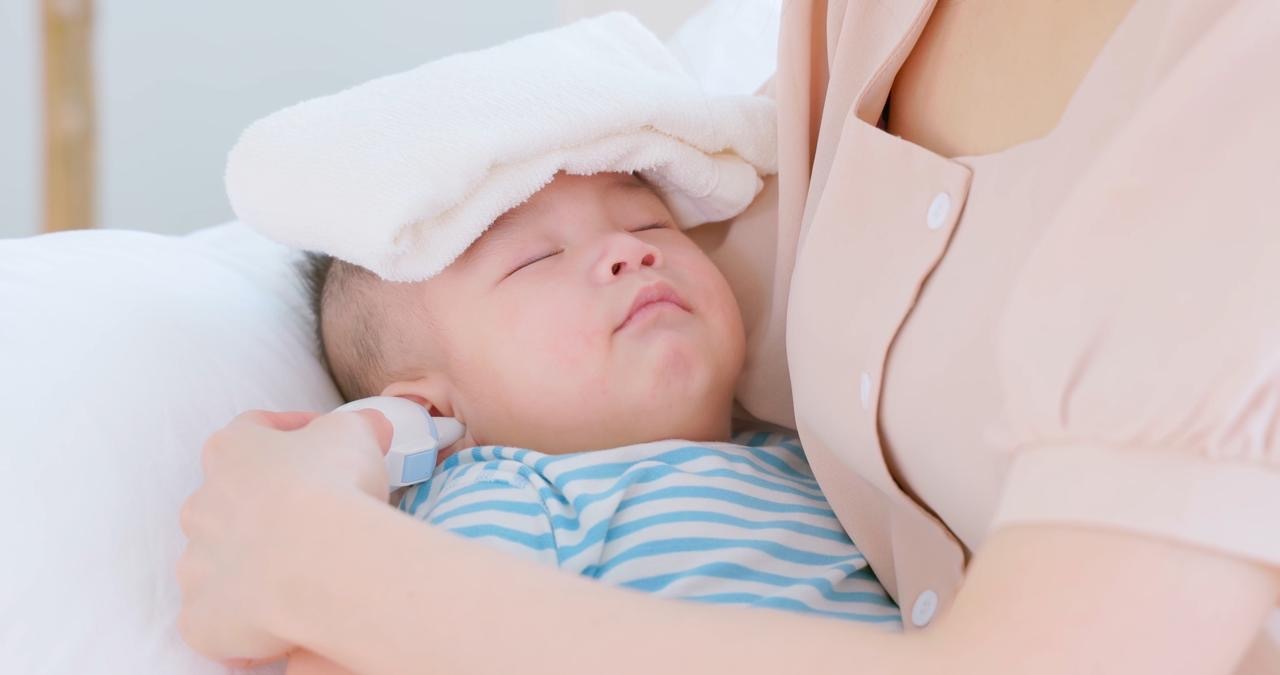
Especially beneficial for infants, children, pets, and those concerned about skin aging

Homes

Offices

Commercial Spaces

Vehicles

What You’ll Need Before Application

The Film Itself

Cutting the Film

Applying the Film

How to Apply

01

Prepare the Solution

  • Mix water and a small amount of dish soap in a spray bottle.
  • Use about 1–2 drops of soap per 500 ml of water.
02

Clean the Glass

  • Wipe the glass thoroughly with alcohol to remove dust and dirt.
  • Make sure the surface is completely clean.
03

Cut the Film

  • Cut the film slightly larger than the window, leaving about 3 cm extra on each side.
  • Do not remove the protective backing yet.
04

Wet the Glass Surface

  • Spray the soapy water evenly over the entire glass surface.
  • Apply the film to the inside surface of the window (for both buildings and vehicles).
05

Wet the Adhesive Side of the Film

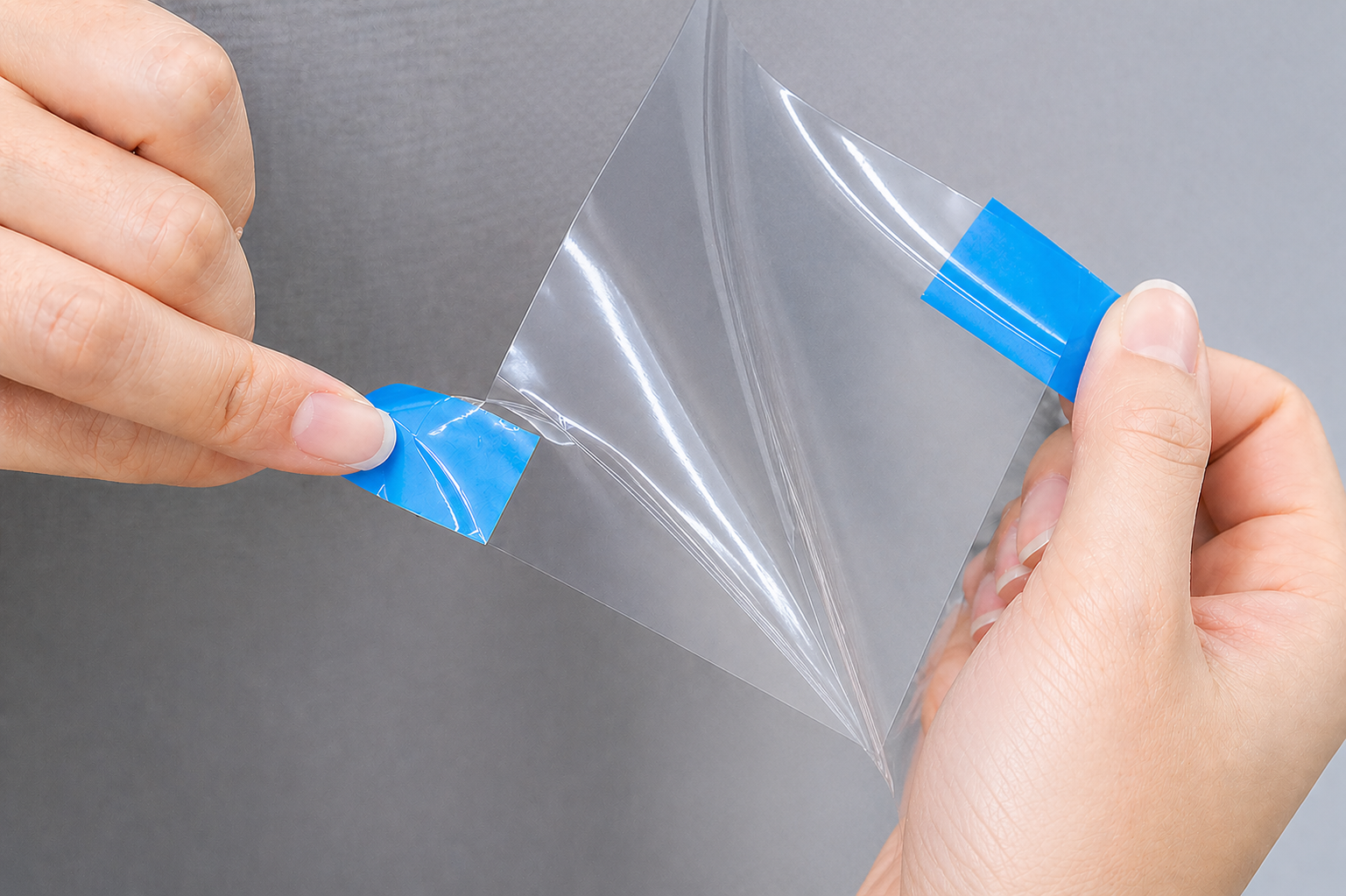
  • Peel off the protective backing from the film.
  • Spray the soapy water evenly over the entire adhesive side.
  • To remove the backing more easily, place tape on both sides and pull them apart.
06

Remove Air Bubbles and Water

  • Place the film onto the glass.
  • Use a squeegee or similar tool to push out air bubbles and water.
  • Work from the center outward.
07

Trim Excess Film

  • Trim off the excess film along the edges of the glass.
  • When using a cutter, angle the blade toward the frame, not the glass, to avoid scratches.
08

After Application

  • Wipe off any remaining water around the edges.
  • Avoid touching the film and minimize opening/closing doors or windows for 24–48 hours to ensure proper adhesion.

How to Remove

Removing window film
1

Warm the Film

Gently warm the film with a hair dryer to soften the adhesive.

2

Peel from a Corner

Lift one corner and slowly peel the film off.

3

Clean the Glass

If any adhesive residue remains, wipe the glass with alcohol or mild dish soap.

Compatible Glass Types

Applicable

Flat, smooth glass surfaces

Not Applicable

Textured or uneven glass surfaces

About Babies and Children

For babies and children who will live into the 22nd century, a long and healthy life.

Why They Are More Vulnerable

DNA damage illustration
01

DNA

  • Babies and children have a reduced ability to repair DNA damage caused by UV exposure compared to adults.
Child skin illustration
02

Skin

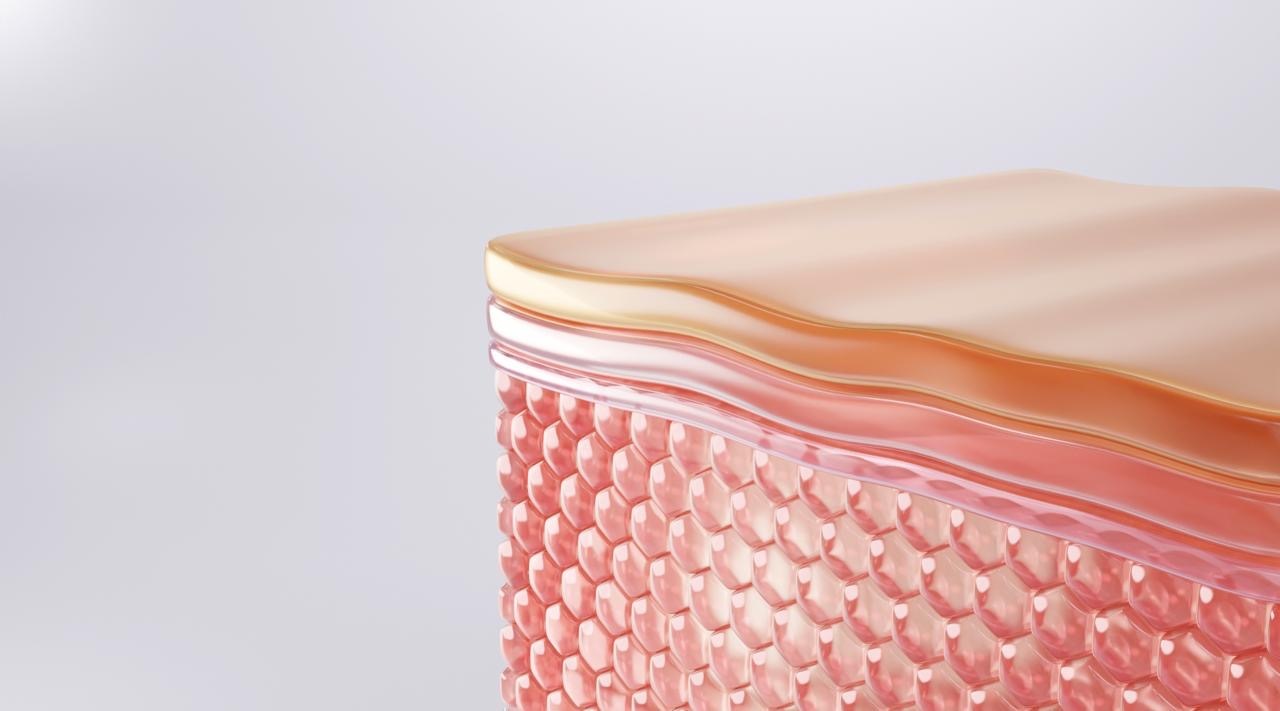
  • Melanin production is not fully developed, and the skin’s protective barrier is thinner.
  • As a result, UVA can penetrate deeper into the dermis, causing significantly greater damage than in adults.
Eye UV illustration
03

Eyes

  • The lens is clearer and thinner, allowing more UV to pass through to the retina, making it more vulnerable.
  • Since the eyes are still developing, UV damage tends to accumulate more easily.
Immune system illustration
04

Immune System

  • The immune system is not fully developed, making it more susceptible to weakening.
  • Even short exposure (around 5–15 minutes) to midday UV may suppress immune function, increasing susceptibility to illnesses such as colds.

Long-Term Effects

UV exposure during childhood and adolescence does not show immediate effects. Instead, it significantly increases the risk of developing eye and skin diseases later in life.

The World Health Organization also notes that higher UV exposure during early life increases the risk of:

It is estimated that 25–50% of lifetime UV exposure occurs before the age of 18, and the World Health Organization emphasizes the importance of UV protection from an early age

A Similar Structure to the Delayed Effects of Radiation

The effects of UV radiation (UVA/UVB), like radiation exposure, often do not appear immediately.
In many cases, they develop later in adulthood, with cumulative exposure during childhood playing a significant role.

UV exposure during early life, particularly in childhood and adolescence, makes the body more vulnerable to damage and significantly increases the likelihood of developing diseases later in life.
UV-induced DNA damage can remain in the body, and over time, repeated repair errors may accumulate.
These accumulated errors are believed to contribute to conditions such as:

For example, UVA can damage the eye lens as well as dermal collagen and elastin in infants and children.
Although these changes are not visible at a young age, they may later appear in adulthood as:

Recent studies suggest a connection between UV exposure and:

UV radiation may also trigger inflammatory cytokines, contributing to these conditions.

But Light Is Essential — Even Indoors

Stable Sleep Rhythm

For infants and children to maintain a healthy daily rhythm,
exposure to natural light is necessary to reset the body’s internal clock (circadian rhythm).

Emotional Stability

Infants and children are in a critical stage of brain development.
Exposure to bright light helps increase serotonin levels, which play an essential role in long-term emotional stability and a positive mental state.

Visual Development

Especially between the ages of 0 and 3, visual development progresses rapidly.
Adequate light exposure supports the development of:

・Visual function
・Depth perception
・Color recognition

These form the foundation for future learning and concentration.

Therefore, while harmful UV should be blocked, it is important to allow natural sunlight into indoor and in-vehicle environments.
UV-blocking window film is one of the most effective solutions to achieve this balance.

Common Conditions

Skin-Related Conditions
  • Actinic keratosis (precancerous lesions)
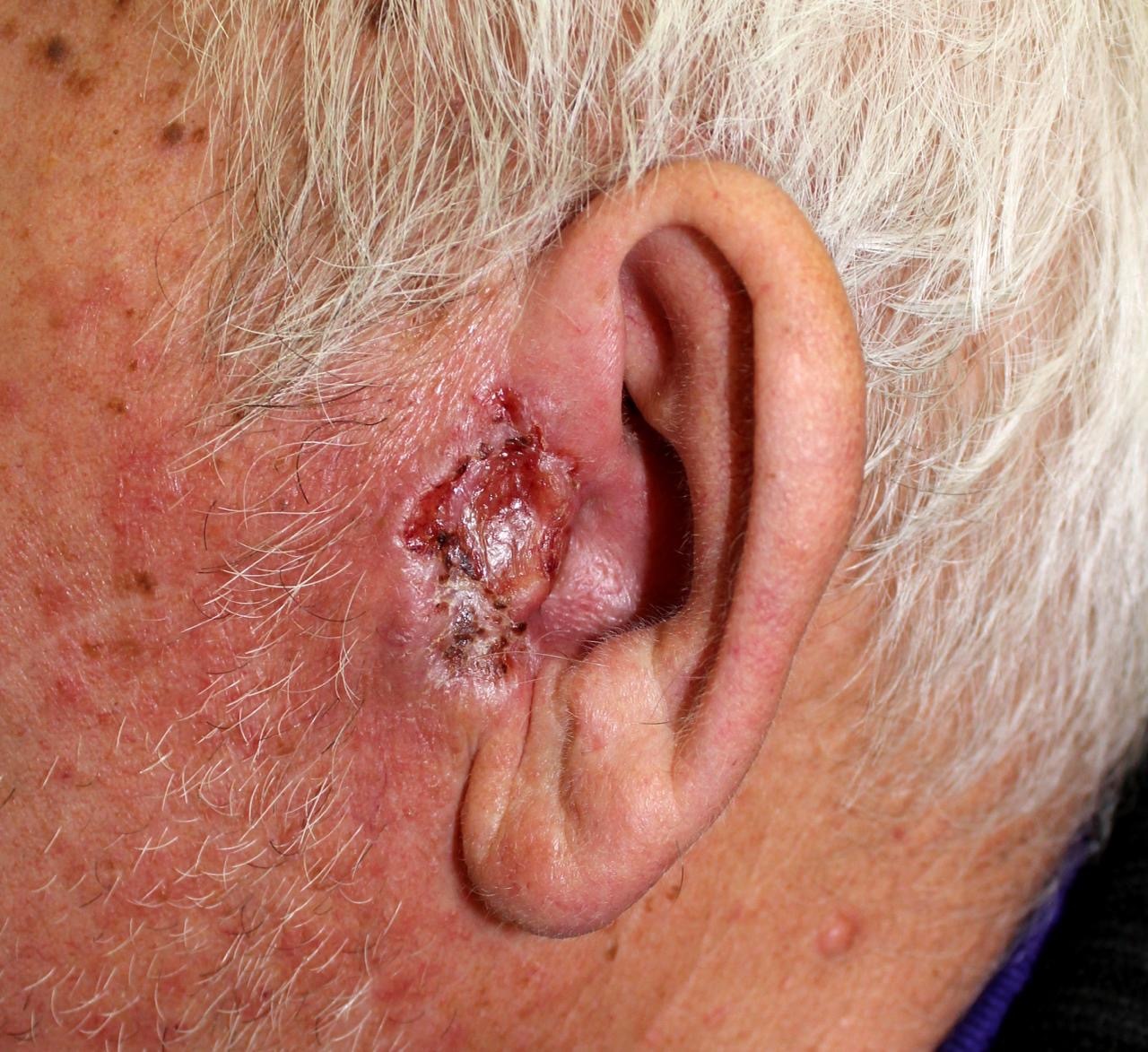
  • Basal cell carcinoma (BCC)
  • Squamous cell carcinoma (SCC)
  • Malignant melanoma
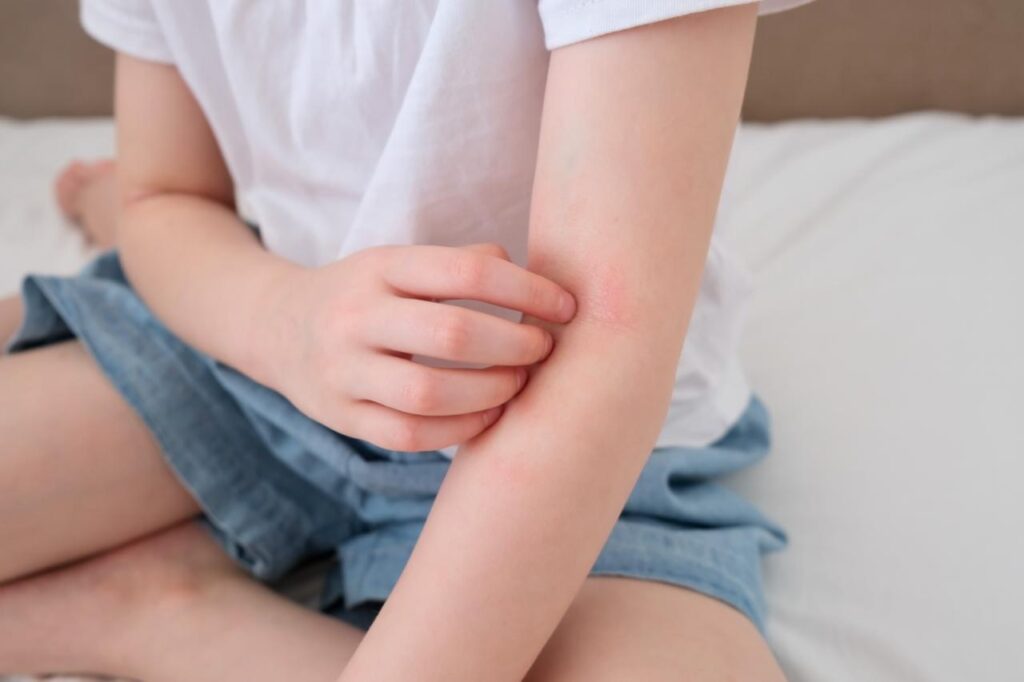
  • Exacerbation of atopic dermatitis
  • Exacerbation of acne
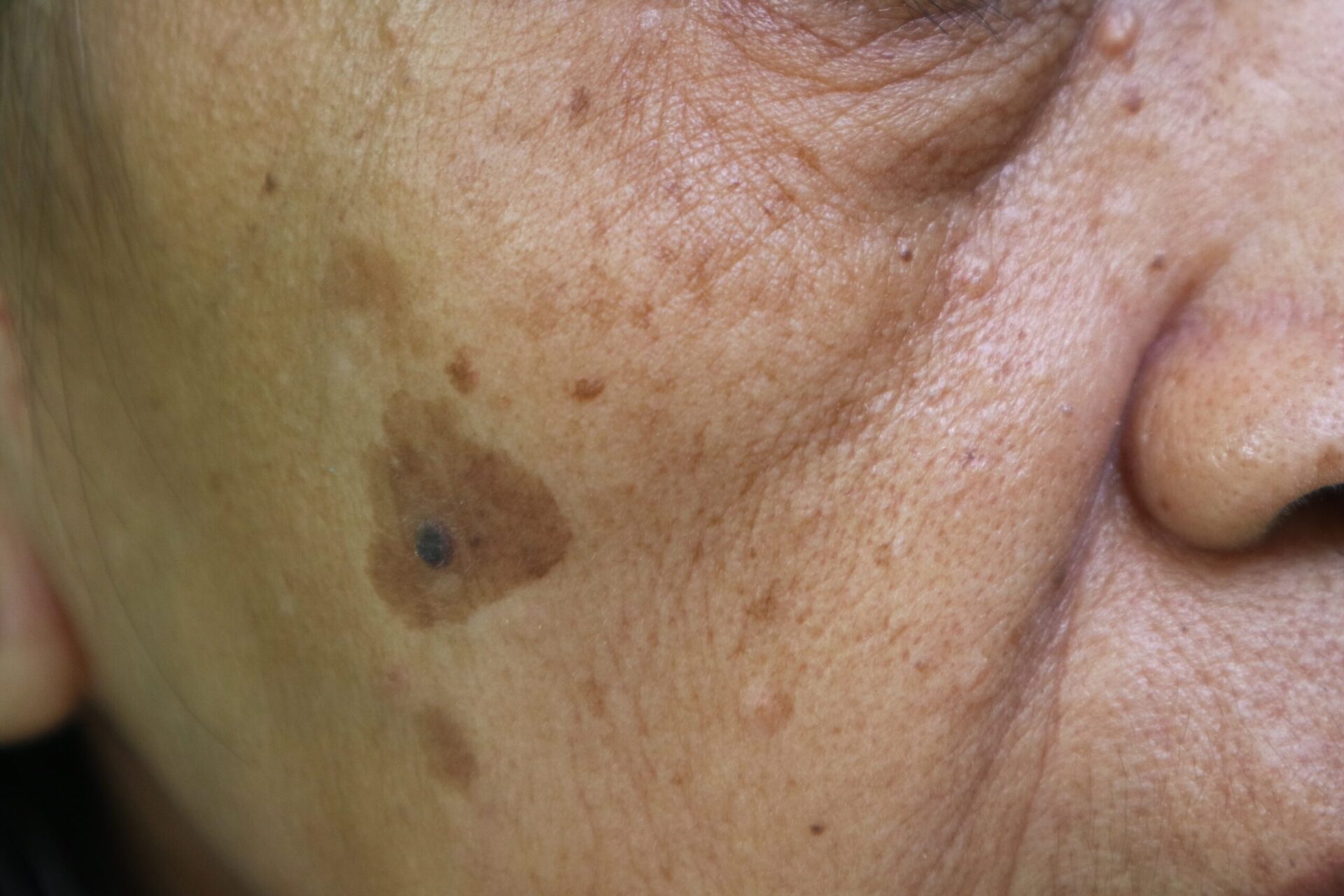
  • Premature skin aging
  • Dark spots and moles
  • Wrinkles and skin sagging
Eye-Related Conditions
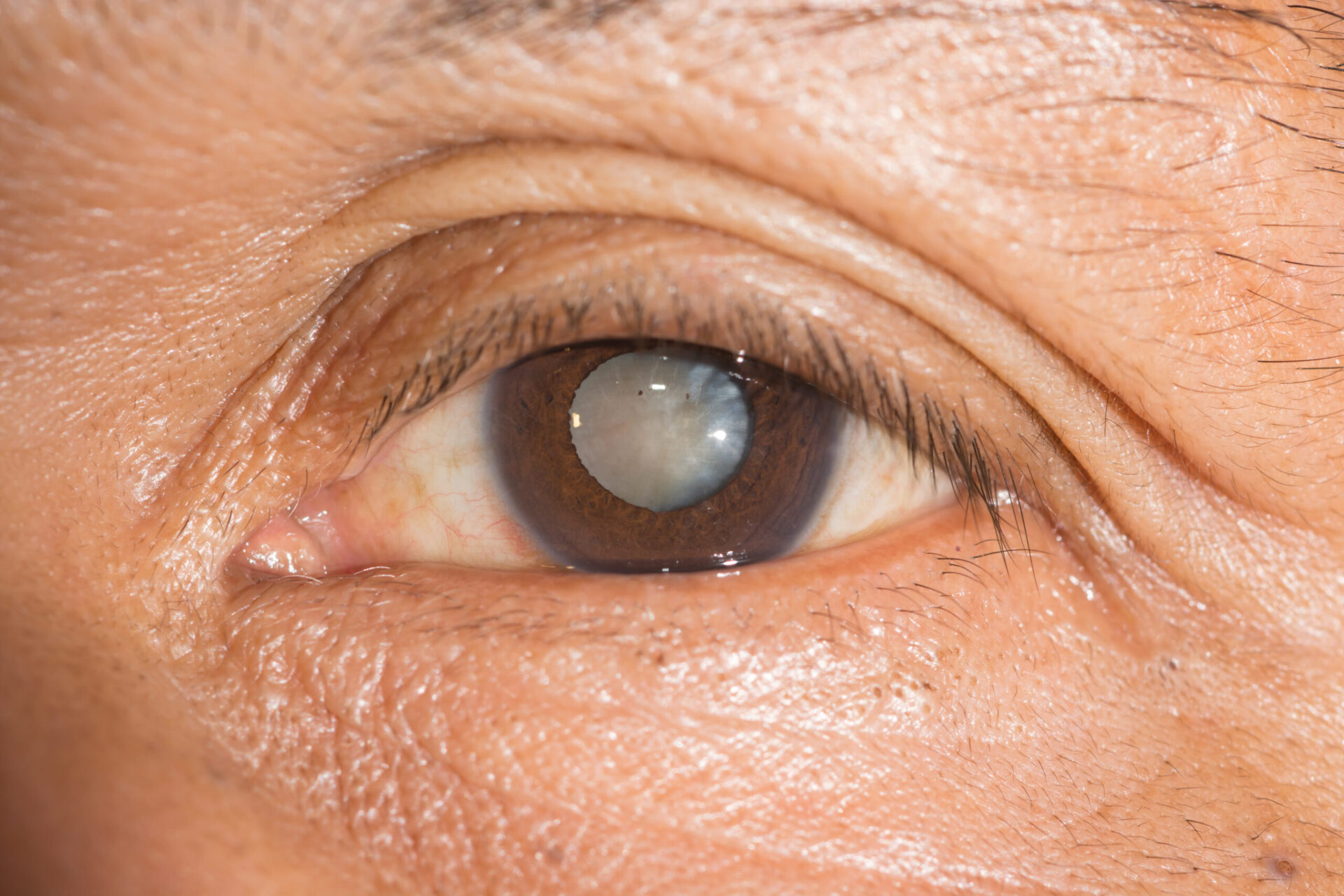
  • Cataracts
  • Glaucoma
  • Age-related macular degeneration
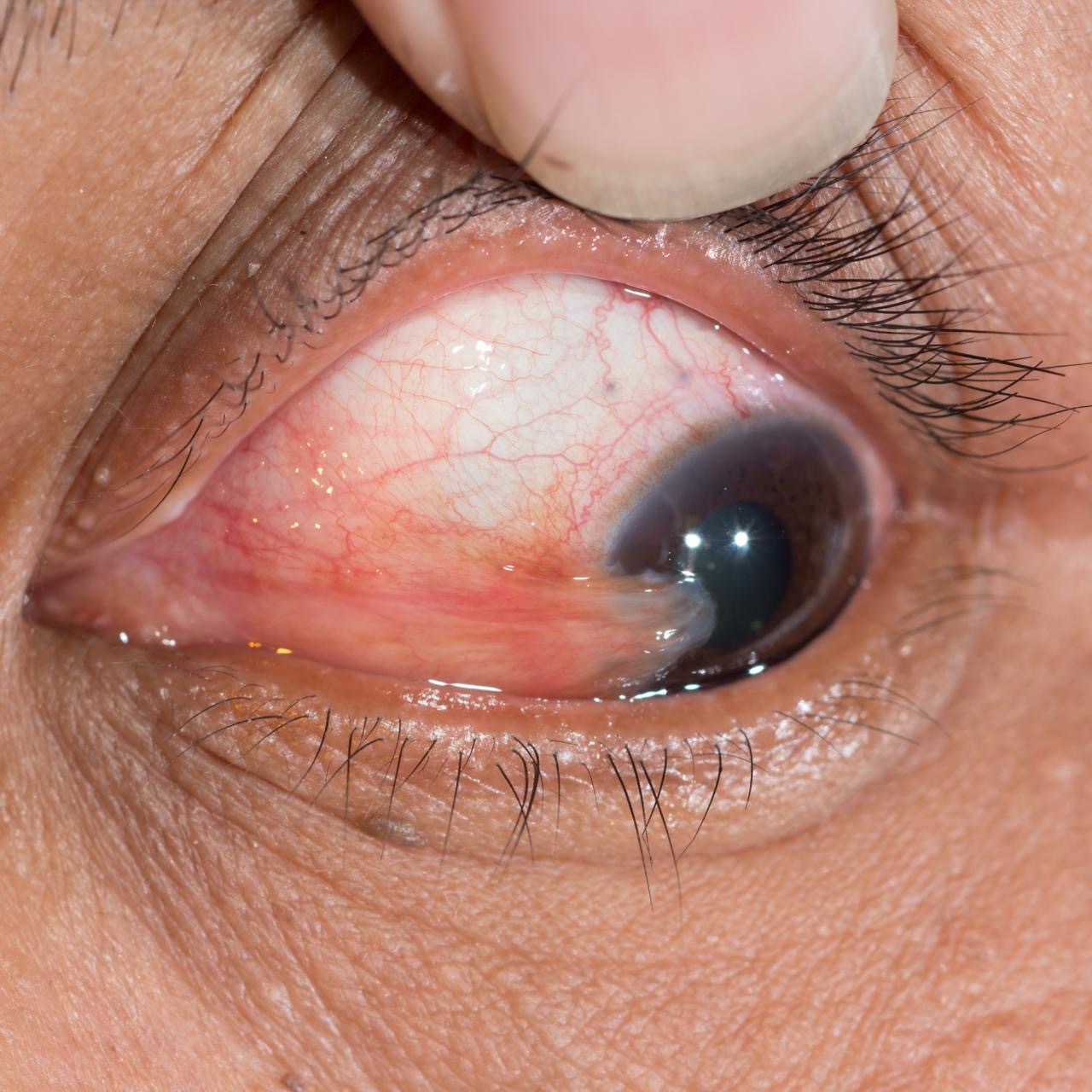
  • Pterygium
  • Conjunctival degeneration (pinguecula)
  • Conjunctival cancer
  • Dry eyes and blurred vision

Initiatives by governments, international organizations, and NPOs/NGOs in each country

🇨🇦

Canada

In Canada, skin cancer is the most common type of cancer, accounting for approximately one-third of all cancer cases, and its incidence continues to rise.

For this reason, the Canadian government, including Health Canada and Environment and Climate Change Canada, states that UV radiation damages the DNA of skin cells and is a major cause of skin cancer.

They also emphasize that infants and children are particularly sensitive to UV exposure and recommend taking extra care to protect them from sunburn.

🇺🇸

United States

In the United States, skin cancer is the most common type of cancer.

The Centers for Disease Control and Prevention (CDC) and other U.S. health authorities state that exposure to sunlight is a primary cause and actively issue warnings.

According to guidelines from the American Cancer Society (ACS), UVA can significantly penetrate glass, and they caution that skin can still be damaged even while indoors.

In 2014, the Office of the Surgeon General issued a formal Call to Action for skin cancer prevention, urging stronger UV protection efforts across education, industry, and communities.

As a result, more than 33 states have implemented some form of restriction on tanning facility use by individuals under the age of 18, who are particularly vulnerable to UV exposure.

🌍

International Organizations and NGOs

Since the early 21st century, international organizations, national governments, local authorities, and NGOs have increasingly raised awareness about the risks of UV exposure, leading to rapid progress in UV protection initiatives.

Although awareness of sunscreen began to emerge in some countries around the 1980s, sun exposure was widely considered beneficial at the time, and comprehensive policy measures were not yet common.
  • In recent years, it has become increasingly clear that indoor UVA exposure can contribute to skin and eye diseases, including cancer.
  • As a result, efforts to reduce UVA exposure in indoor and in-vehicle environments have expanded.

Donations for Infants and Children

As part of our CSR activities, we donate a significant portion of our profits to organizations that support the eye and skin health of infants and children.
Beyond our core business, we are committed to improving health outcomes for more people.

About Pets

For pets that live 10 to 20 years, helping them stay healthy and active even as they grow older.

Why They Are More Vulnerable

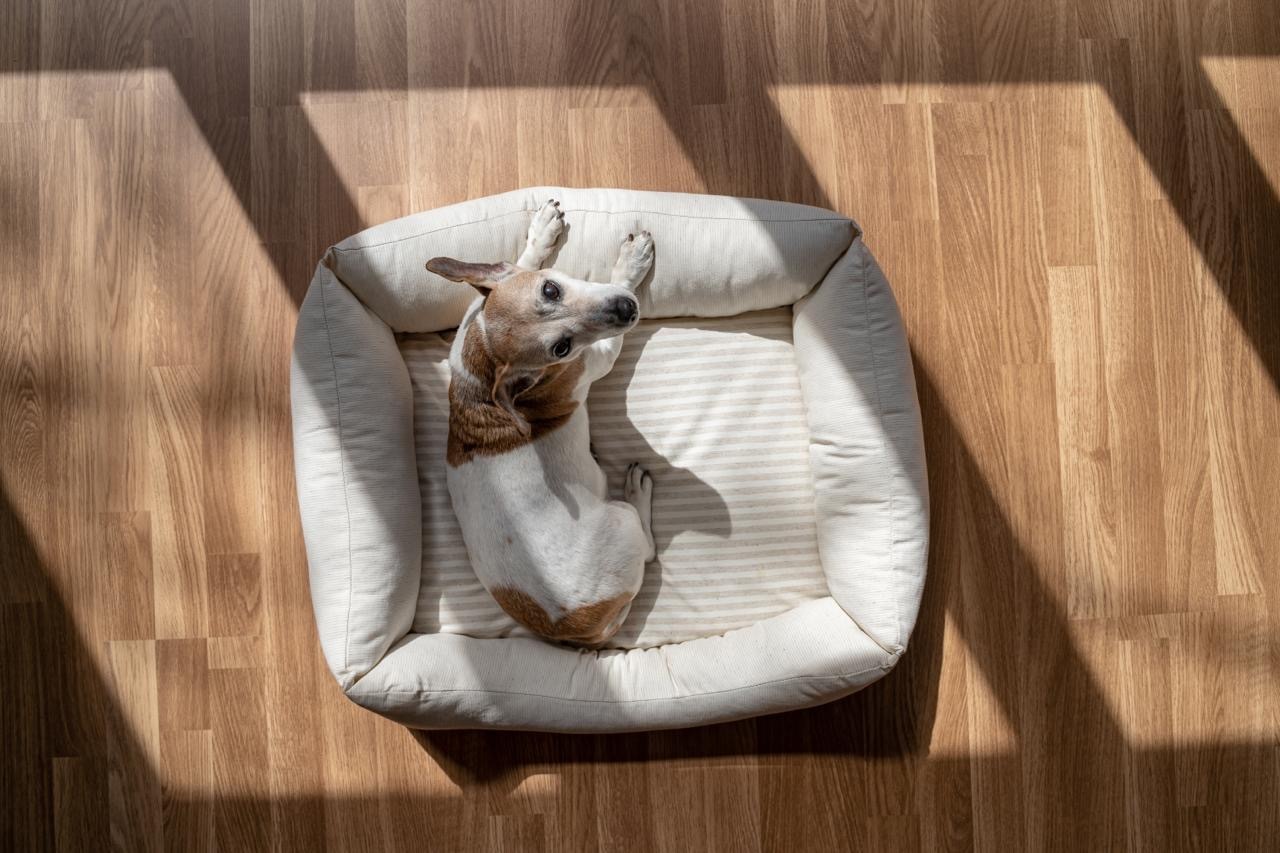
Dogs

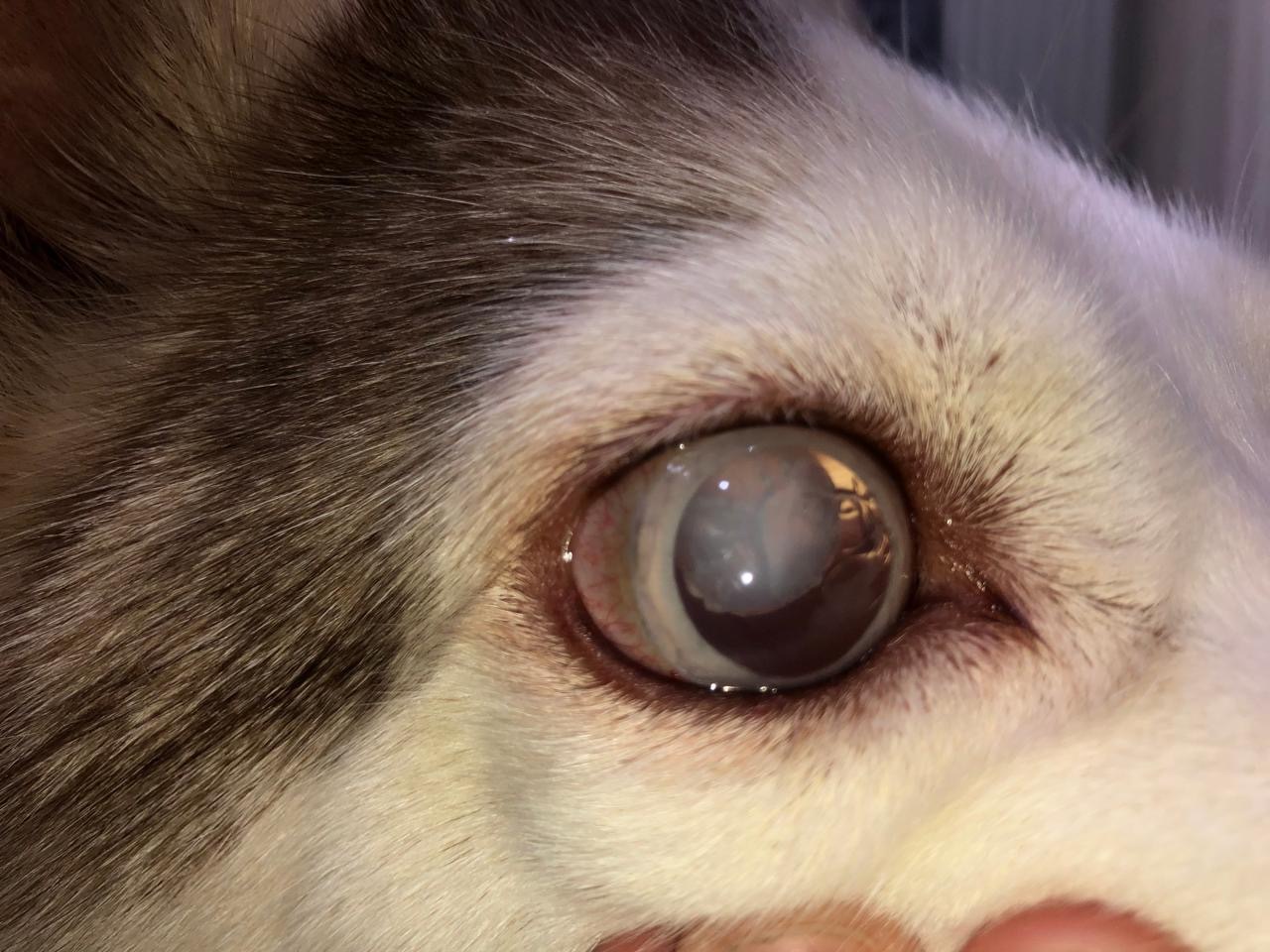
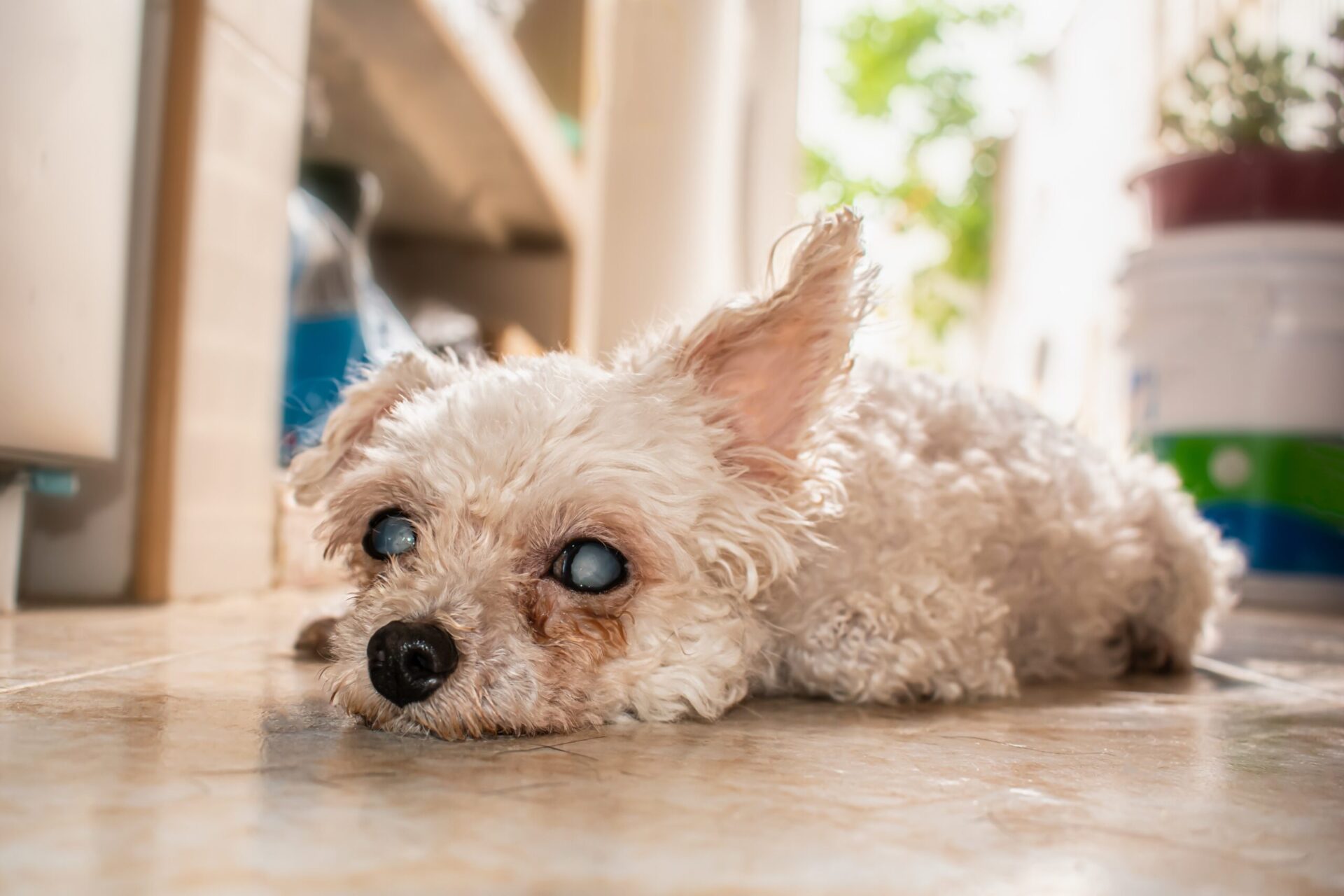
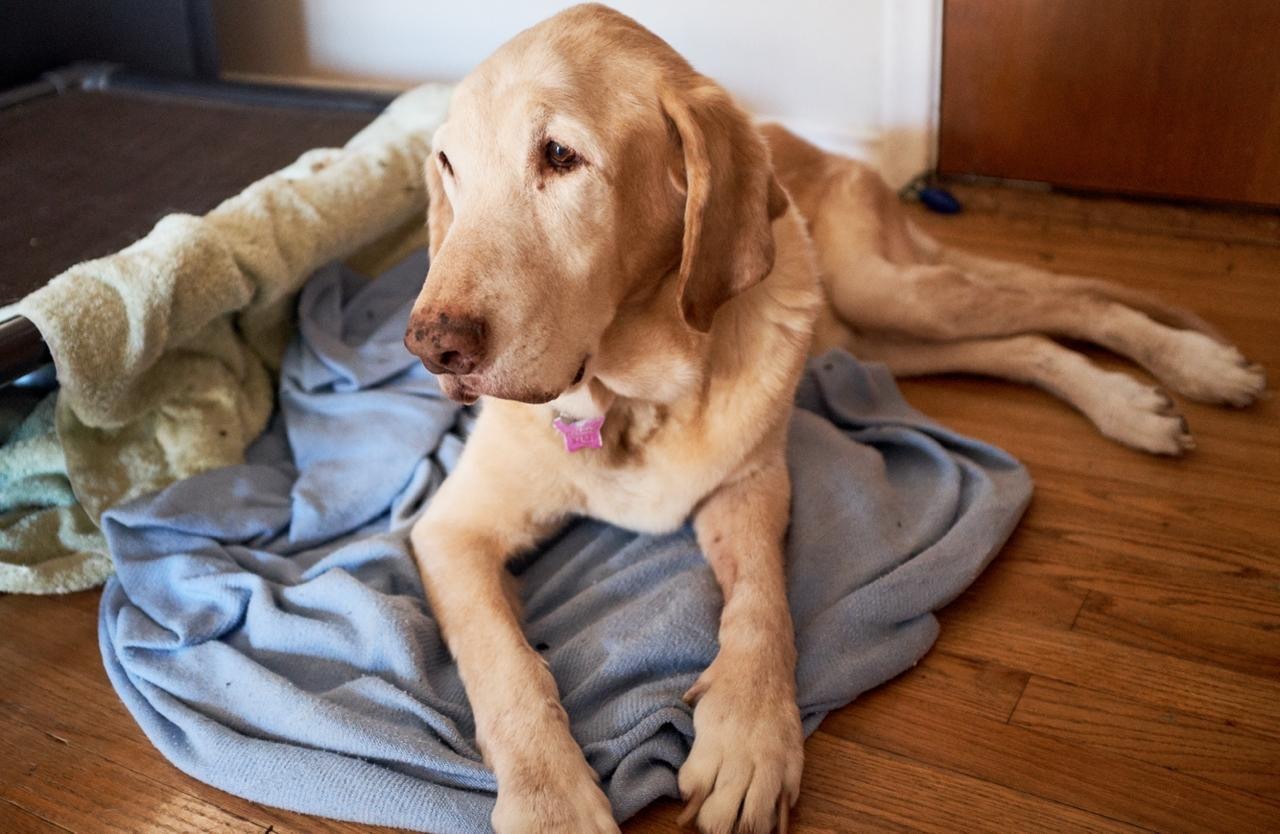
Like humans, dogs have relatively sensitive lenses, and after the age of 10, more than half develop progressing cataracts.

As with humans, when vision and other sensory functions decline due to cataracts, stimulation from the external environment decreases, which can significantly increase the risk of cognitive decline.

Dogs are often positioned closer to the ground, making them more exposed to direct sunlight and reflected UV rays from surfaces, which is one of the reasons they are more vulnerable to UV exposure.

In particular, the following breeds are more prone to eye and skin conditions caused by UV exposure

French Bulldog

Retrievers

Border Collies

Poodles

Dachshunds

German Shepherds

Cats

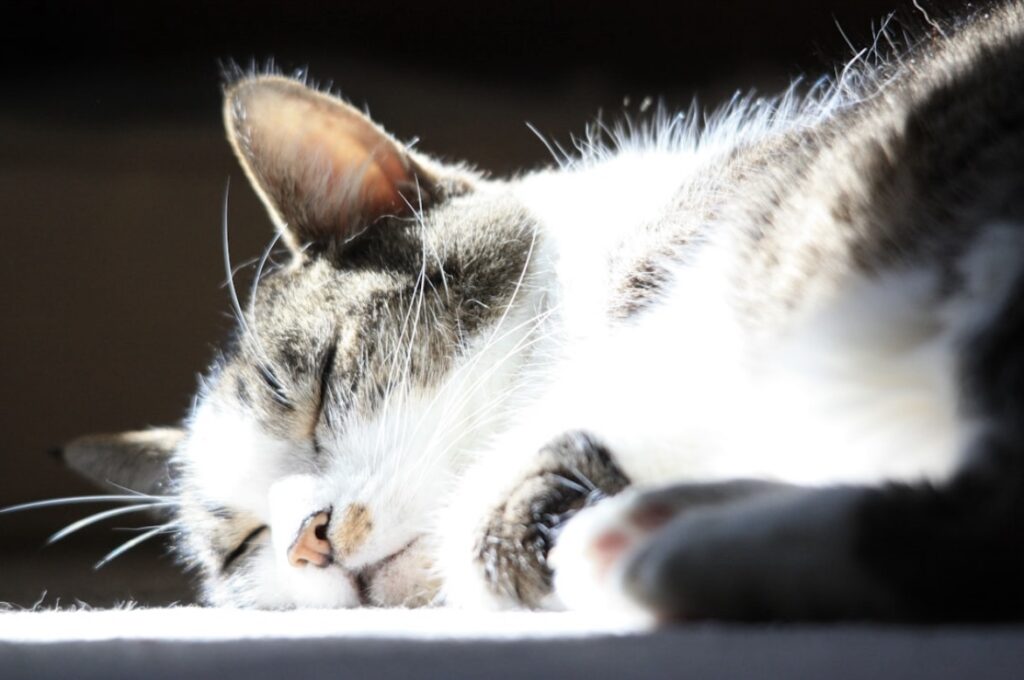
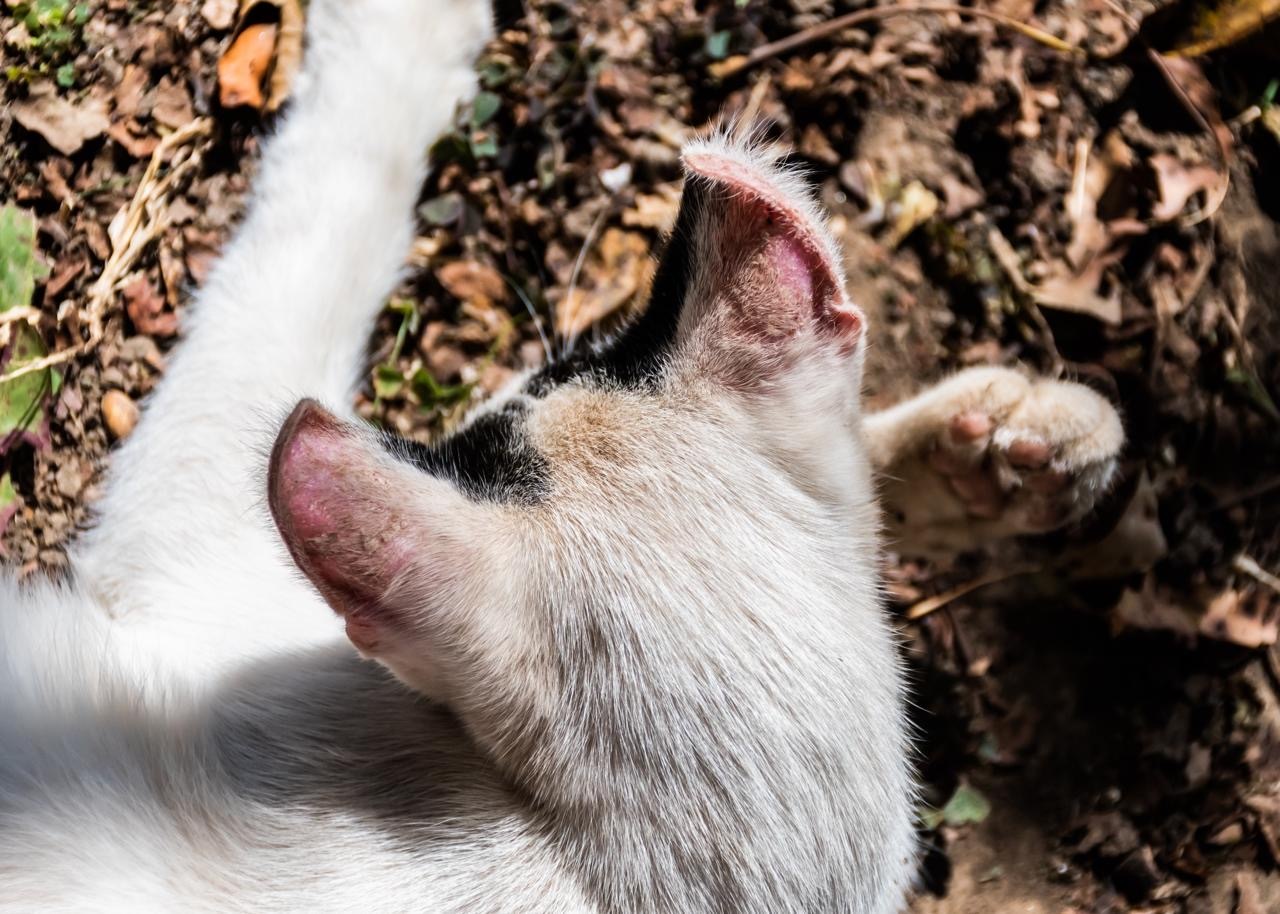
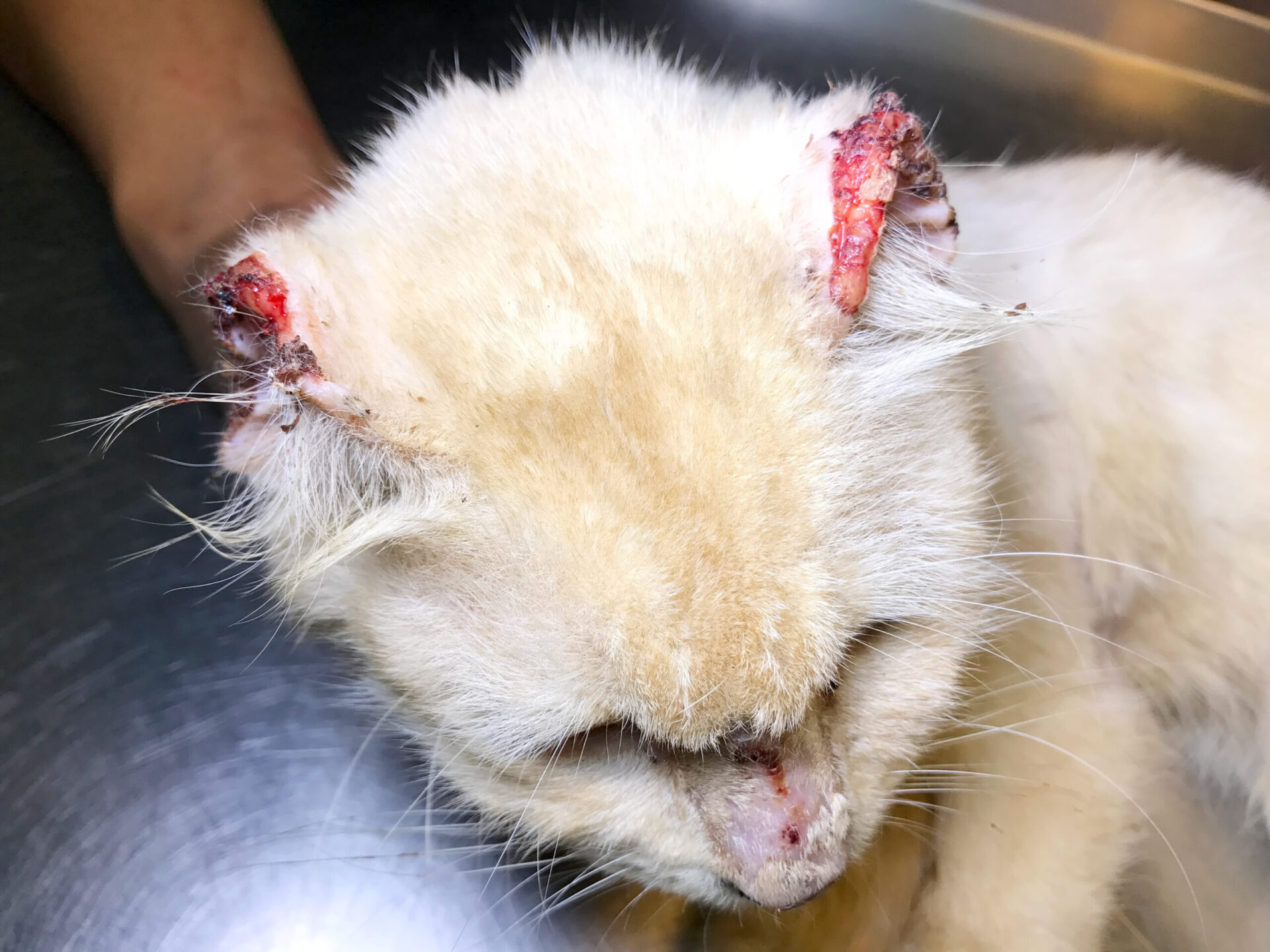
Compared to humans and dogs, cats are relatively less prone to cataracts; however, those with short or light-colored fur have a higher risk of skin cancer.

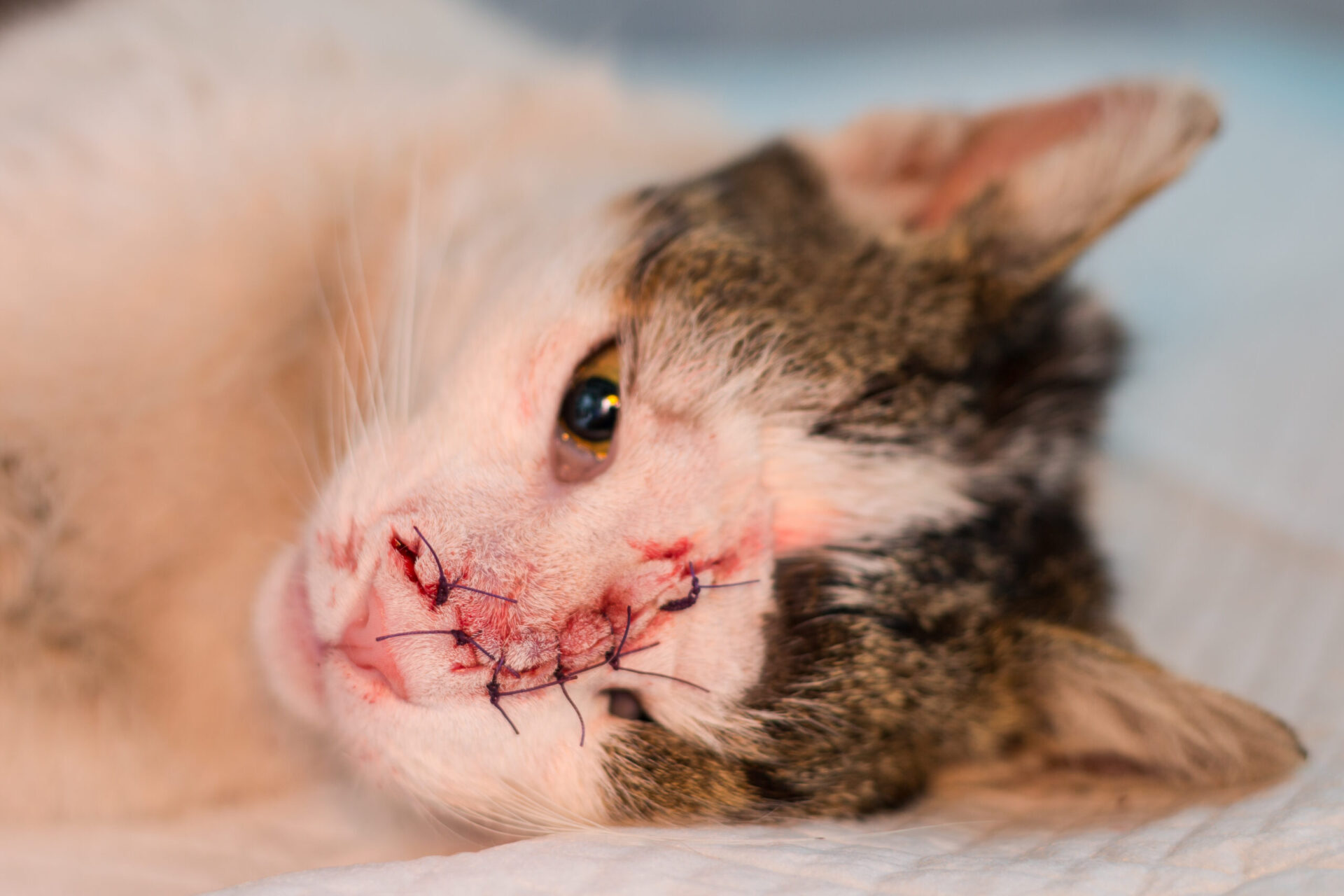
Cats are also more susceptible to conditions such as SCC affecting sensory areas like the ears and nose. In many cases, this can require surgical removal, which tends to have a greater impact on their daily life compared to humans.
Long-Term Effects

For pets as well, just like in humans, UV exposure during childhood and early life significantly increases the risk of future eye and skin diseases rather than causing immediate effects.

A Similar Structure to the Delayed Effects of Radiation

Similar to the delayed effects of radiation (such as leukemia and cancer), the impact of ultraviolet rays (UVA/UVB) often appears later in life. Early-life exposure accumulates over time and plays a major role in the development of diseases in adulthood.

When UV-induced DNA damage is recorded in the body, repeated repair errors can accumulate. Over time, these errors are believed to contribute to conditions such as skin cancer, cataracts, and glaucoma.

For example, UVA exposure during early stages—when tissues are still vulnerable—can damage the DNA of the lens as well as dermal collagen and elastin. This damage may not be immediately visible, but can later manifest as eye and skin diseases.

But Light Is Essential — Even Indoors

Like humans, dogs and cats benefit from brighter environments, which have been shown to support cognitive function, increase activity levels, and contribute positively to overall health.

Therefore, blocking harmful UV while allowing natural sunlight into indoor spaces, UV-blocking window film is one of the most effective solutions.

Common Conditions

Dogs

● Skin-Related Conditions

  • Squamous Cell Carcinoma (SCC)
  • Hemangiosarcoma
  • Solar dermatitis
  • UV-induced granulomas

● Eye-Related Conditions

  • Cataracts
  • Keratitis / corneal ulcers
  • Pterygium-like lesions
  • Chronic inflammation → may lead to glaucoma

Cats

● Skin-Related Conditions

  • Squamous Cell Carcinoma (commonly on eyelids and other exposed areas)
  • Solar dermatitis (can progress to SCC)

● Eye-Related Conditions

  • Keratitis

Dogs and cats often cannot express their symptoms clearly, so illnesses can progress without the owner noticing.

Many of these conditions are treatable when detected early. If any of the following symptoms are observed, it is recommended to visit a veterinarian promptly.
At the same time, reducing indoor UV exposure—such as by using UV-blocking window film—is considered one of the most important steps in preventing these conditions in the first place.

Initiatives by governments, veterinary organizations, and NPOs/NGOs in each country

🇬🇧

United Kingdom

In the United Kingdom, due to the frequent cloudy weather, many people are not aware that—unlike UVB—UVA can still reach the ground and penetrate indoors even on rainy or overcast days. As a result, some pet owners say things like, “I never thought my cat could get sunburned,” and awareness efforts continue to be emphasized.

The RSPCA warns that neglecting UV protection can lead to a “season of pain and suffering.” Rebecca Ashman, Chief Veterinary Officer at the RSPCA, states: “Cats can get sunburn just like humans and face the same health risks. They may resist at first, but gradually help them get used to it and gently apply sunscreen, at least during the summer months.”

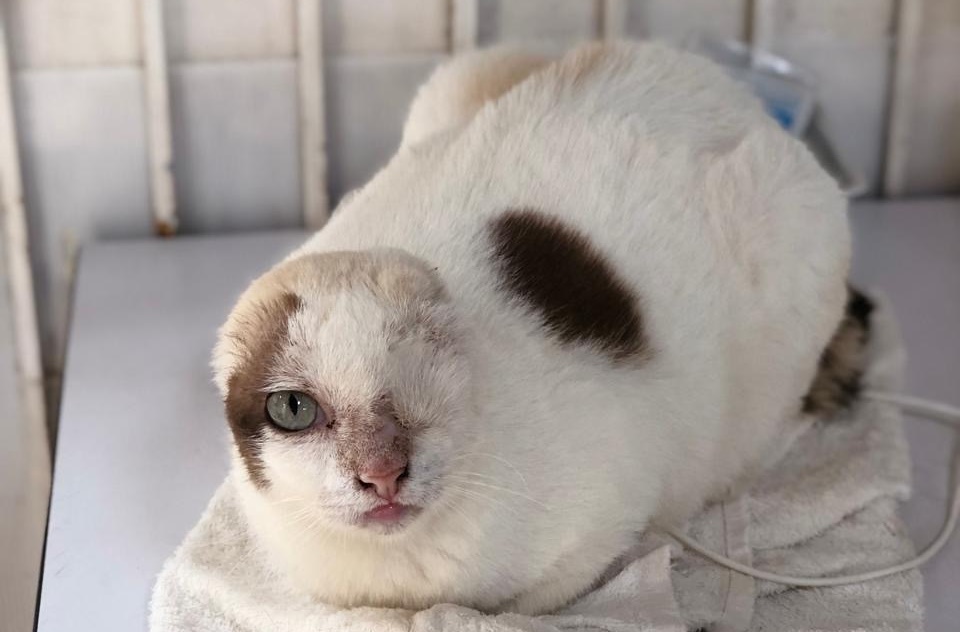
A white cat named Minnie, rescued at an RSPCA facility in Wales, was found to have precancerous lesions on the tips of her ears and underwent surgical removal. Photos of Minnie after surgery were published in the media and are used to raise awareness—advising owners to seek veterinary care immediately if redness, sores, or scabs appear on the ears or nose.
🏥

Veterinary organizations, NPOs, and NGOs

For pets as well, prevention of UV-related damage has increasingly begun to be addressed in recent years—led by governments, local authorities such as states and municipalities, veterinary organizations, and NPOs/NGOs—similar to initiatives for humans, and these preventive efforts are rapidly spreading.

Pet-Related Donations

In addition to our core business, we donate a significant portion of our profits as part of our CSR activities to organizations that promote the health of pets—particularly in areas such as eye and skin health—so that we can help bring better well-being to more lives.

More than 80% of visible aging is caused
by UV exposure.

Compared to products of similar quality (nano-ceramic technology, 99% UV protection, and over 12 years of durability), this film is offered at 30%–55% lower prices.

$25.99/㎡

Compared to products of similar quality (nano-ceramic technology, 99% UV protection, and over 12 years of durability), this film is offered at 30%–55% lower prices.

$25.99/㎡

NC90 Premium / NC70 Premium vs Standard UV-Blocking Films and Curtains

NC90 Premium / NC70 Premium
Standard UV-Blocking Films and Curtains
UVA Blocking
Blocks 99% of UVA with long-lasting performance
Most products do not achieve 99% UVA protection, and even when they do, performance declines significantly over time
Material
High-quality nano-ceramic film ensures stable and consistent performance
Most are dyed films, and even nano-ceramic options may vary in quality
Durability
Over 12 years
A few months to 2–3 years
Structure
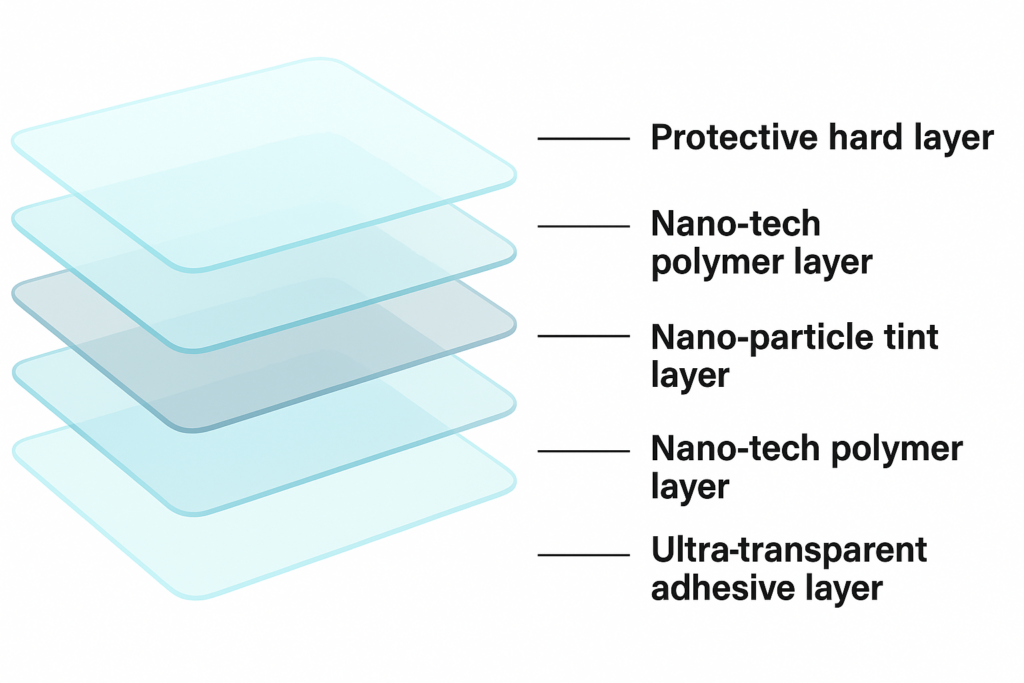
Advanced 5-layer structure for superior durability and stability
Single-layer or basic multi-layer construction
Price
Under $25.99 per m²
30–55% lower than comparable products
(High-quality nano-ceramic films, 99% UV protection, 12+ years durability)
Typically lower-priced

1. Protective hard layer

Protects the surface from scratches and keeps the film exceptionally clear for many years.

2. Nano-tech polymer layer

Prevents warping, degradation, and yellowing of the film.

3. Nano-particle tint layer

The core UV-blocking layer.
High-quality nano-ceramic particles block 99% of UVA while keeping indoor brightness almost unchanged.

4. Nano-tech polymer layer

Provides further enhancement of heat resistance and structural stability, helping maintain optical performance over the long term.

5. Ultra-transparent adhesive layer

Adheres seamlessly to glass, preventing bubbles and cloudiness while preserving clear visibility.

How We Deliver Premium Quality at a Competitive Price

We offer premium UV-blocking films that combine high performance and long-term durability.

They are offered at one of the lowest prices among comparable high-quality products, without compromising quality.

The reasons are as follows.
IMG_8171

Mass Production
Costs are reduced by limiting the lineup to two types (NC90 Premium / NC70 Premium).
Further cost savings are achieved by offering only three standardized lengths (1m × 1m, 1m × 2m, 1m × 3m).

IMG_8169

Minimizing Intermediaries
By minimizing intermediaries and shipping directly, we reduce various costs associated with retail distribution, including labor, multiple stages of transportation, intermediary fees, utilities, and rental expenses.

IMG_8172

Profit Margin Minimization
Because our mission is to deliver better health to as many people as possible, we intentionally keep our profit margin very small, maintaining only the minimum level necessary for sustainable operations.

IMG_8170

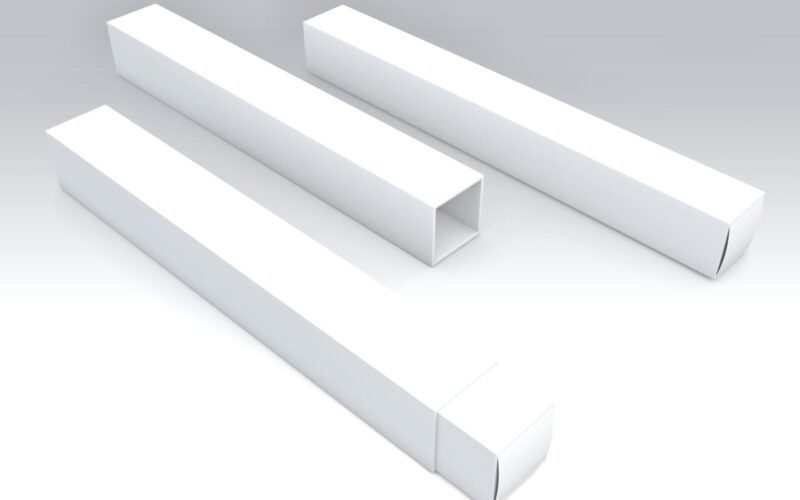
Simple Packaging Design
By using plain, unbranded white packaging, we minimize printing costs and reduce expenses for boxes and tubes that do not affect product performance.

IMG_8173

Efficient Inventory and Order Management
We manufacture, cut, pack, and ship each product after receiving an order, minimizing the risk of excess inventory.
This approach also keeps storage costs, packing expenses, and other related fees to an absolute minimum.

Additional Benefits

Heat Reduction

Infrared light is also reduced — by 50% with NC90 and 99% with NC70.
This helps keep both indoor rooms and car interiors from becoming excessively hot, making them significantly more comfortable.

Protection

・The film makes the glass more resistant to breaking during events such as hurricanes, break-ins, or accidents.
・Even if the glass does break, it helps prevent shards from scattering, improving overall safety.

Clarity of View

The film reduces glare and reflections, allowing you to enjoy a clearer and more beautiful view.
This technology is also used in museums and art galleries to reduce reflections and ensure clear visibility.

Easy to Use

No professional installation required.
Easy to apply and remove, even for DIY users.
Detailed instructions on how to apply the film can be found on the “Learn More” page.

Energy Saving

Infrared light is also reduced — by 50% with NC90 Premium and 99% with NC70 Premium.
In summer, this improves air-conditioning efficiency, reduces the amount of time the AC needs to run, saves on electricity costs, and helps lower CO₂ emissions.

Privacy

With NC70 Premium, you can see outside during the daytime, while it becomes difficult for people outside to see in.
This allows you to maintain brightness without closing the curtains, while still protecting your privacy — and blocking 99% of UV at the same time.

Pets & Plants

In addition to protecting pets as mentioned earlier, the film also helps prevent leaf burn and other sun-related damage in houseplants.
*Plants can still perform photosynthesis, as visible light continues to pass through the film.

Driving Safety

Helps prevent glare and reflections inside the car, supporting safer driving.
Reduces glare from oncoming headlights and other reflected light at night, helping prevent eye strain.
Environmentally Friendly

Due to the nature of the product, it is currently very difficult to use only fully eco-friendly materials. However, the manufacturing process is designed to minimize environmental impact, resulting in a product that is developed with strong environmental consideration.

*Regulations regarding the required Visible Light Transmission (VLT) for car windows vary by region according to local traffic laws and ordinances. Please make sure to check the laws in your area before installation.

JapanHealth

Japan Health is a company that develops products and services centered around health, while integrating business operations and CSR into a unified system that delivers direct health value to society.
By allocating tens of percent of its profits to CSR activities, the company has created a structure in which every business interaction, purchase, and use by its users directly and immediately contributes to someone’s health.

© 2026 Japan Health. All rights reserved.